


寶馬押注氫能交通,2028年推出首款量產車
James Morris
2025-07-29
氫能是否代表了未來?
 文本設置
文本設置
 Plus(0條)

氫燃料電池汽車(FCEV)幾乎與當前這波純電動汽車(BEV)同時進入市場。但相比之下,其銷量卻微不足道。2024年,全球僅登記了12,866輛氫燃料電池汽車,而純電動汽車的登記量高達1,080萬輛。盡管如此,一些制造商仍希望氫能在交通領域發揮作用。
寶馬(BMW)便是其中之一。該公司最近宣布,將在2028年將旗下首款氫燃料電池汽車投入量產。在近期一場推廣氫燃料電池汽車的峰會上,《財富》雜志采訪了寶馬集團氫能技術及車輛項目總經理尤爾根·古爾德納,以及其他氫能倡導者。
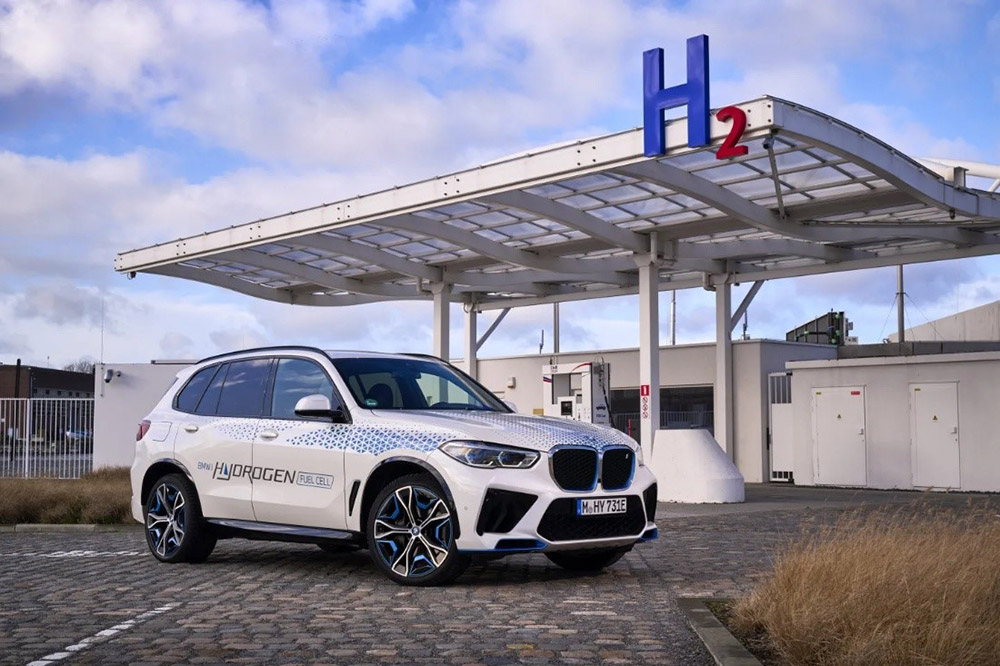
豐田(Toyota)憑借2014年推出的Mirai,在氫燃料電池汽車銷量方面持續領先,但它并非唯一的市場參與者。現代(Hyundai)自2018年起銷售Nexo車型;本田(Honda)在2008年至2021年間曾以Clarity品牌推出過多款車型,于2024年推出了其CR-V e:FCEV插電式混合動力氫能車。寶馬則更為謹慎。自2023年起,該公司一直在小批量試產基于X5的氫燃料電池車。iX5 Hydrogen已是一款性能可靠的車型,駕駛平穩,內飾則沿用了大家熟悉的X5風格。然而,這未必會是寶馬將在2028年推出的量產車型。
古爾德納表示:“好消息是,氫能汽車本質上也是電動汽車。它只是與電動車的儲能方式有所不同。這意味著我們可以重復使用很多純電動汽車的部件,比如電動機。同時,它還具有獨特的價值主張。氫能汽車可謂兩全其美:既擁有加速快、靜音駕駛、零排放等電動駕駛的所有優勢,又能在3到4分鐘內加滿氫氣,滿格續航,即刻出發。”
氫能基礎設施的困境
從理論上來看,氫能的這一優勢似乎頗具吸引力,但現實情況是,加氫站并未像純電動汽車充電樁那樣普及。事實上,在許多國家,其數量甚至出現了倒退。在英國,2019年曾有高達15座加氫站,而到了2025年的今天僅剩4座,其中兩座可能已停用。相比之下,根據Zap-Map的數據,2025年5月英國有39,733個公共充電點,充電設備總數達80,998臺,充電接口共115,241個。德國的加氫服務相對完善,但西班牙、葡萄牙和意大利等一些歐洲國家則根本沒有加氫站。
一些氫能支持者認為,如果目標是實現道路交通脫碳,忽視氫能基礎設施是個戰略錯誤。
英國汽車制造商和貿易商協會(Society of Motor Manufacturers and Traders)技術與創新主管大衛·黃表示:“氫燃料電池汽車與純電動汽車是互補關系,并且朝著一個共同的方向發展。如果同時投資充電基礎設施和氫燃料電池加氫基礎設施,總體成本反而更低。我們以德國為例進行了建模分析。結果顯示,如果在汽車保有量中,電動汽車占比90%,氫燃料電池汽車占比10%,那么投資基礎設施的總成本,比全部建設公共充電點的方案要低400億美元。”
此外,人們還擔憂純電動汽車制造過程中的資源消耗。古爾德納指出,電池需要大量原材料,這可能會導致資源短缺。
他解釋稱:“發展第二種技術,不把所有雞蛋放在一個籃子里,能增強韌性。寶馬擁有兩種技術勝過僅掌握一種技術。我們收到大量用戶反饋,他們表示純電動汽車不適合他們。我們正為那些無法或不愿使用純電動汽車的人考慮——他們或許家中無法充電,或者經常在路上行駛,即使充電時間能縮短至20分鐘左右,也不愿依賴充電站停車充電。還有拖掛行駛和寒冷天氣等問題。在燃料電池汽車中,可以利用余熱,續航里程不會因此打折扣。”
但這依然未能解決如何大規模建設基礎設施以支持氫能發展的難題。一套商用直流充電樁的成本可能達5萬美元,家用充電樁成本約1,000美元,甚至用一根200美元的普通慢充線纜也能充電。
而一座加氫站的建設成本更高,在150萬至200萬美元之間,甚至有人估計高達400萬美元。至少在英國,解決方案是首先在長途商用運輸領域進行建設,并以此為基礎逐步擴展。HyHAUL項目正是為實現這一目標而設立。
HyHAUL聯合創始方Protium Green Solutions公司的CEO兼創始人克里斯·杰克遜表示:“氫能最大的挑戰在于,它在大規模應用時表現優異,但在小規模應用時則不盡如人意。一座加氫站需要數百輛乘用車使用才能實現經濟可行性,但只需要很少的卡車就能做到。我們初步計劃建設三座大型加氫站,只需要30輛氫燃料電池卡車就能啟動項目。第一階段將沿M4高速公路走廊布局,覆蓋從威爾士一直到倫敦周邊的M25高速公路。未來,我們計劃拓展至其他交通網絡,沿M5和M6高速公路延伸。”
然而,要讓消費者接受氫燃料電池汽車,則需要在全英范圍內實現半小時車程內必有加氫站,這大約需要1,300座加氫站。特斯拉(Tesla)之所以能如此有效地引領純電動汽車革命,原因之一在于其雙管齊下的策略:在推出汽車的同時,建設配套充電設施。
傳統上,開發氫燃料電池汽車的汽車制造商將基礎設施建設交由第三方負責,這導致了“先有雞還是先有蛋”的困境。一方面消費者在等加氫站普及,而基礎設施投資方則在等車輛保有量提升。這意味著,當純電動汽車已在英國、歐盟和中國等許多市場達到臨界點時,氫燃料電池汽車仍在等待時機。
燃料電池能否普及?
這并未阻止豐田持續深耕氫燃料電池汽車領域。豐田英國公司氫能轉型高級經理喬恩·亨特表示:“我們的職責是為客戶提供選擇。我們不能讓人們忽視這些技術,它們的存在是為了促進我們的共同學習和發展。”
商用車或許能幫助氫燃料電池汽車突破臨界點。在巴黎,自2015年起,Hype公司運營著約1,000輛氫燃料電池出租車,其中大部分是豐田Mirai。因此,巴黎已建成6座加氫站,另有3座在建。這為巴黎的消費者接納氫燃料電池汽車奠定了基礎。然而,巴黎以外地區尚無配套基礎設施,阻礙了超出城市范圍的遠途出行。Hype公司最近也表示正從氫燃料電池汽車轉向純電動汽車。
盡管距離全面上市還有三年時間,寶馬仍押下重注,期望到2028年,基礎設施將得到充分改善,足以讓氫能成為消費者的可行選擇。
古爾德納指出,寶馬尚未決定在哪些國家推出這款車,這將取決于當地的基礎設施狀況。
他表示:“目前英國顯然還不具備條件。但希望在未來幾年內,建設進度能加快。”
將于2028年投產的具體車型也尚未公布。雖然價格也未公開,但古爾德納表示,寶馬希望其價格能與純電動汽車持平。他提到了在電池和太陽能電池等其他技術領域,此前曾有過成本大幅下降的先例。
然而,要實現這些成本削減,必須有足夠多的氫燃料電池汽車需求,從而形成足夠的規模效應。
他表示:“每次看到報紙上的調查結果都會讓我感到驚訝,居然有那么多人表示更愿意選擇氫能汽車而非純電動車。顯然,市場需求確實存在。”
問題在于這些調查結果能否轉化為實際銷量。到2028年,當寶馬推出其量產氫燃料電池汽車時,答案或將揭曉。(財富中文網)
譯者:劉進龍
審校:汪皓
氫燃料電池汽車(FCEV)幾乎與當前這波純電動汽車(BEV)同時進入市場。但相比之下,其銷量卻微不足道。2024年,全球僅登記了12,866輛氫燃料電池汽車,而純電動汽車的登記量高達1,080萬輛。盡管如此,一些制造商仍希望氫能在交通領域發揮作用。
寶馬(BMW)便是其中之一。該公司最近宣布,將在2028年將旗下首款氫燃料電池汽車投入量產。在近期一場推廣氫燃料電池汽車的峰會上,《財富》雜志采訪了寶馬集團氫能技術及車輛項目總經理尤爾根·古爾德納,以及其他氫能倡導者。
豐田(Toyota)憑借2014年推出的Mirai,在氫燃料電池汽車銷量方面持續領先,但它并非唯一的市場參與者。現代(Hyundai)自2018年起銷售Nexo車型;本田(Honda)在2008年至2021年間曾以Clarity品牌推出過多款車型,于2024年推出了其CR-V e:FCEV插電式混合動力氫能車。寶馬則更為謹慎。自2023年起,該公司一直在小批量試產基于X5的氫燃料電池車。iX5 Hydrogen已是一款性能可靠的車型,駕駛平穩,內飾則沿用了大家熟悉的X5風格。然而,這未必會是寶馬將在2028年推出的量產車型。
古爾德納表示:“好消息是,氫能汽車本質上也是電動汽車。它只是與電動車的儲能方式有所不同。這意味著我們可以重復使用很多純電動汽車的部件,比如電動機。同時,它還具有獨特的價值主張。氫能汽車可謂兩全其美:既擁有加速快、靜音駕駛、零排放等電動駕駛的所有優勢,又能在3到4分鐘內加滿氫氣,滿格續航,即刻出發。”
氫能基礎設施的困境
從理論上來看,氫能的這一優勢似乎頗具吸引力,但現實情況是,加氫站并未像純電動汽車充電樁那樣普及。事實上,在許多國家,其數量甚至出現了倒退。在英國,2019年曾有高達15座加氫站,而到了2025年的今天僅剩4座,其中兩座可能已停用。相比之下,根據Zap-Map的數據,2025年5月英國有39,733個公共充電點,充電設備總數達80,998臺,充電接口共115,241個。德國的加氫服務相對完善,但西班牙、葡萄牙和意大利等一些歐洲國家則根本沒有加氫站。
一些氫能支持者認為,如果目標是實現道路交通脫碳,忽視氫能基礎設施是個戰略錯誤。
英國汽車制造商和貿易商協會(Society of Motor Manufacturers and Traders)技術與創新主管大衛·黃表示:“氫燃料電池汽車與純電動汽車是互補關系,并且朝著一個共同的方向發展。如果同時投資充電基礎設施和氫燃料電池加氫基礎設施,總體成本反而更低。我們以德國為例進行了建模分析。結果顯示,如果在汽車保有量中,電動汽車占比90%,氫燃料電池汽車占比10%,那么投資基礎設施的總成本,比全部建設公共充電點的方案要低400億美元。”
此外,人們還擔憂純電動汽車制造過程中的資源消耗。古爾德納指出,電池需要大量原材料,這可能會導致資源短缺。
他解釋稱:“發展第二種技術,不把所有雞蛋放在一個籃子里,能增強韌性。寶馬擁有兩種技術勝過僅掌握一種技術。我們收到大量用戶反饋,他們表示純電動汽車不適合他們。我們正為那些無法或不愿使用純電動汽車的人考慮——他們或許家中無法充電,或者經常在路上行駛,即使充電時間能縮短至20分鐘左右,也不愿依賴充電站停車充電。還有拖掛行駛和寒冷天氣等問題。在燃料電池汽車中,可以利用余熱,續航里程不會因此打折扣。”
但這依然未能解決如何大規模建設基礎設施以支持氫能發展的難題。一套商用直流充電樁的成本可能達5萬美元,家用充電樁成本約1,000美元,甚至用一根200美元的普通慢充線纜也能充電。
而一座加氫站的建設成本更高,在150萬至200萬美元之間,甚至有人估計高達400萬美元。至少在英國,解決方案是首先在長途商用運輸領域進行建設,并以此為基礎逐步擴展。HyHAUL項目正是為實現這一目標而設立。
HyHAUL聯合創始方Protium Green Solutions公司的CEO兼創始人克里斯·杰克遜表示:“氫能最大的挑戰在于,它在大規模應用時表現優異,但在小規模應用時則不盡如人意。一座加氫站需要數百輛乘用車使用才能實現經濟可行性,但只需要很少的卡車就能做到。我們初步計劃建設三座大型加氫站,只需要30輛氫燃料電池卡車就能啟動項目。第一階段將沿M4高速公路走廊布局,覆蓋從威爾士一直到倫敦周邊的M25高速公路。未來,我們計劃拓展至其他交通網絡,沿M5和M6高速公路延伸。”
然而,要讓消費者接受氫燃料電池汽車,則需要在全英范圍內實現半小時車程內必有加氫站,這大約需要1,300座加氫站。特斯拉(Tesla)之所以能如此有效地引領純電動汽車革命,原因之一在于其雙管齊下的策略:在推出汽車的同時,建設配套充電設施。
傳統上,開發氫燃料電池汽車的汽車制造商將基礎設施建設交由第三方負責,這導致了“先有雞還是先有蛋”的困境。一方面消費者在等加氫站普及,而基礎設施投資方則在等車輛保有量提升。這意味著,當純電動汽車已在英國、歐盟和中國等許多市場達到臨界點時,氫燃料電池汽車仍在等待時機。
燃料電池能否普及?
這并未阻止豐田持續深耕氫燃料電池汽車領域。豐田英國公司氫能轉型高級經理喬恩·亨特表示:“我們的職責是為客戶提供選擇。我們不能讓人們忽視這些技術,它們的存在是為了促進我們的共同學習和發展。”
商用車或許能幫助氫燃料電池汽車突破臨界點。在巴黎,自2015年起,Hype公司運營著約1,000輛氫燃料電池出租車,其中大部分是豐田Mirai。因此,巴黎已建成6座加氫站,另有3座在建。這為巴黎的消費者接納氫燃料電池汽車奠定了基礎。然而,巴黎以外地區尚無配套基礎設施,阻礙了超出城市范圍的遠途出行。Hype公司最近也表示正從氫燃料電池汽車轉向純電動汽車。
盡管距離全面上市還有三年時間,寶馬仍押下重注,期望到2028年,基礎設施將得到充分改善,足以讓氫能成為消費者的可行選擇。
古爾德納指出,寶馬尚未決定在哪些國家推出這款車,這將取決于當地的基礎設施狀況。
他表示:“目前英國顯然還不具備條件。但希望在未來幾年內,建設進度能加快。”
將于2028年投產的具體車型也尚未公布。雖然價格也未公開,但古爾德納表示,寶馬希望其價格能與純電動汽車持平。他提到了在電池和太陽能電池等其他技術領域,此前曾有過成本大幅下降的先例。
然而,要實現這些成本削減,必須有足夠多的氫燃料電池汽車需求,從而形成足夠的規模效應。
他表示:“每次看到報紙上的調查結果都會讓我感到驚訝,居然有那么多人表示更愿意選擇氫能汽車而非純電動車。顯然,市場需求確實存在。”
問題在于這些調查結果能否轉化為實際銷量。到2028年,當寶馬推出其量產氫燃料電池汽車時,答案或將揭曉。(財富中文網)
譯者:劉進龍
審校:汪皓
Hydrogen fuel cell cars (FCEVs) have been on the market for a similar duration to the current wave of battery EVs (BEVs). But they have sold a tiny fraction in comparison. In 2024, 12,866 FCEVs were registered globally, versus 10.8 million BEVs. Still, some manufacturers have hopes that hydrogen has a role to play in transport.
One of these is BMW, which recently announced it would be bringing its first FCEV into series production in 2028. Fortune caught up with BMW Group’s General Project Manager Hydrogen Technology and Vehicle Projects, Jürgen Guldner, at a recent summit promoting FCEVs, among other hydrogen evangelists.
Toyota has been the leading seller of FCEVs with the Mirai launched in 2014, but it isn’t the only player. Hyundai has been selling its Nexo since 2018, and Honda, after offering various cars under the Clarity name from 2008 to 2021, brought its CR-V e:FCEV plug-in hybrid hydrogen car to market in 2024. BMW has been more cautious. The company has been trialling FCEVs with a pilot run of vehicles based on X5 since 2023. The iX5 Hydrogen is already a credible vehicle, with smooth driving and a familiar X5 interior. However, this won’t necessarily be the vehicle that BMW will launch in 2028.
“The good news is a hydrogen vehicle is an electric vehicle,” says Guldner. “It’s just a different way of storing the energy versus a battery, which also means that we can reuse a lot of the components like the electric motors in the car from our BEVs. It also has a unique value proposition. It’s the best of both worlds, with all the benefits of electric driving—acceleration, silent driving, zero emission—but you can refuel in 3 to 4 minutes and you’re 100% full and ready to go again.”
The problem of hydrogen infrastructure
This has always seemed like a compelling argument for hydrogen on paper, but the reality has been that hydrogen refueling hasn’t proliferated like BEV charging stations. In fact, it has gone backwards in many countries. In the UK, in 2019 there were as many as 15 hydrogen fuel stations, whereas today in 2025 only four were listed, with two potentially not in service. By contrast, according to Zap-Map, there were 39,733 public charging locations in the UK in May 2025, with 80,998 devices and 115,241 connectors. Germany is better served for hydrogen refueling, but some European countries have no stations at all, such as Spain, Portugal and Italy.
Some hydrogen proponents argue that this is a strategic mistake if your goal is to decarbonize road transport.
“FCEVs are complementary to battery electric vehicles and heading towards one common direction,” says David Wong, head of technology and innovation at the Society of Motor Manufacturers and Traders. “If you invest in both charging infrastructure and the fuel cell hydrogen refilling infrastructure, the overall cost is lower. We’ve done modelling where they use Germany as an example. It shows that if we have a motor park penetration of 90% BEVs and 10% FCEVs, the overall cost of investing in infrastructure is $40 billion lower than the scenario where 100% of infrastructure is public charge points.”
There is also concern about resource usage when manufacturing BEVs. Guldner points out batteries requires a lot of raw materials, which could lead to scarcity.
“Having a second technology, not putting all eggs in one basket, provides resilience,” he explains. “BMW having two technologies is better than one. We got a lot of feedback from people saying BEVs don’t work for them. We’re thinking about those people who can’t or don’t want to use battery electric cars because maybe they don’t have electric charging at home, or are on the road a lot and don’t want to depend on charging stops, even if you can get them down to maybe 20 minutes. We have issues like towing and cold weather conditions. In the fuel cell you can use excess heat, so you don’t lose any range.”
This still leaves the problem with how you ramp up the infrastructure to support hydrogen. A commercial DC charger might be $50,000, a home charger can cost $1,000, or you can even use a very slow $200 mains plug cable.
But the price for a hydrogen station is much greater—between $1.5 and $2 million, although some estimate as much as $4 million. The solution, at least in the UK, is to target the long-haul commercial sector first and build out from that. HyHAUL is a project aiming to achieve that.
“The biggest challenge with hydrogen is the fact that it works very well at large scale, but not so good at small scale,” says Chris Jackson, CEO and founder of Protium Green Solutions, which co-founded HyHAUL. “One single hydrogen fueling station requires hundreds of passenger cars to make the economics work, but only a very small number of trucks. We are initially developing three major refueling stations and all we need to get the project off the ground is 30 fuel cell trucks. The first stage will be along the M4 corridor. We’ll be covering from Wales all the way into the M25 around London. Over time, we plan to expand across other networks, going up the M5 and M6.”
For consumer adoption of FCEVs, however, it would be necessary to cover the UK completely within half an hour driving distance, which would require about 1,300 stations. One of the reasons why Tesla was able to kickstart the BEV revolution so effectively was its two-pronged approach of building the supportive charging infrastructure to go with its cars.
Automakers developing FCEVs have traditionally left this to third parties, leading to a chicken-and-egg situation where car adoption awaited infrastructure, and vice versa. This has meant that as BEVs have reached a tipping point in many markets, including the UK, EU and China, while FCEVs wait in the wings.
Can fuel cells prevail?
This hasn’t prevented Toyota from persevering with FCEVs. “Our role is to provide customers with choice,” says Jon Hunt, senior manager, Hydrogen Transformation, Toyota GB. “We can’t have people dismissing technologies that are there to enable us all to learn and develop.”
Commercial vehicles could help FCEVs reach that tipping point. In Paris, around 1,000 FCEV taxis have been operated by Hype since 2015, the majority of which are Toyota Mirais. For this reason, Paris has six hydrogen fuel stops with three more being built. This could lay the groundwork for consumers to adopt FCEVs in the city. However, outside Paris there is no supportive infrastructure yet, preventing long journeys beyond the urban limits. Hype has also recently said it is pivoting away from FCEVs to BEVs.
Even with full launch still three years away, BMW is placing a heavy bet on infrastructure having improved sufficiently for hydrogen to be a viable choice for consumers by 2028.
Guldner notes BMW hasn’t yet decided which countries it will bring those vehicles to market, adding that it will depend on the infrastructure.
“Right now, it’s simply not here in the UK. But hopefully in the next few years, development will pick up,” he says.
The exact model that will go into production in 2028 also hasn’t been announced. And while a price hasn’t been unveiled either, BMW is hoping for parity with BEVs, Guldner says, pointing to previous dramatic cost reductions in other technologies like batteries and solar cells.
For these cost reductions to materialize, though, there has to be enough demand for FCEVs to deliver sufficient scale.
“I am always surprised by surveys in newspapers where so many people say they would prefer a hydrogen vehicle over battery power,” he says. “There seems to be demand there.”
The question will be whether these survey responses translate into vehicle sales. In 2028, when BMW launches its production FCEV, we could find out.

請打開財富Plus APP