


新加坡歡迎DeepSeek之類高性價比人工智能
NICHOLAS GORDON
2025-07-26
新加坡也計劃在國內(nèi)加強人工智能實力
 文本設置
文本設置
 Plus(0條)

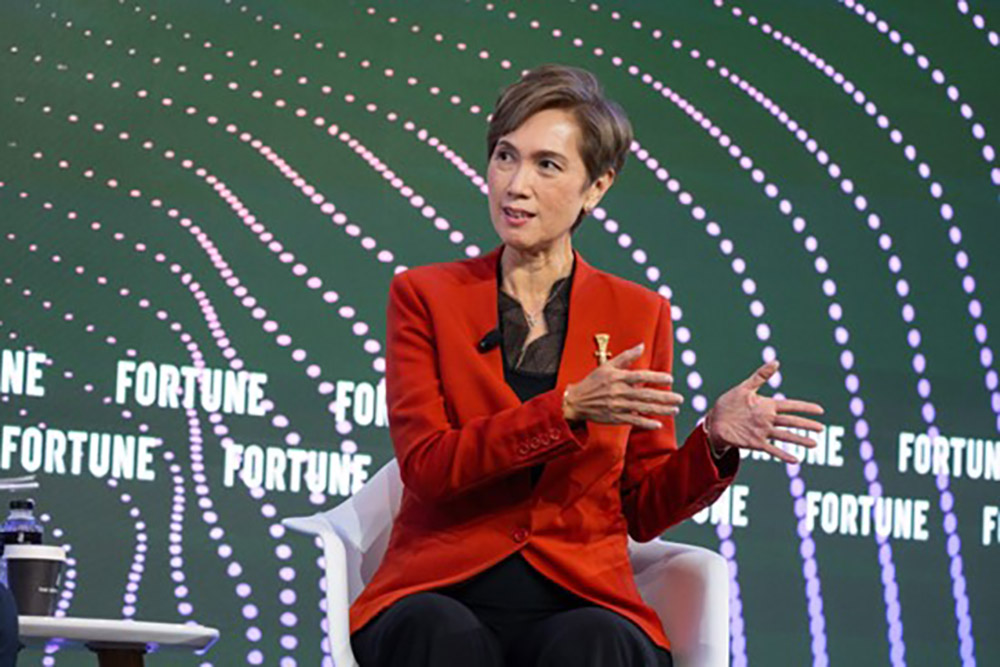
新加坡數(shù)碼發(fā)展及新聞部部長楊莉明表示,新加坡歡迎DeepSeek之類成本更低廉的模型,因為小國和小企業(yè)同樣想使用人工智能,但不希望支付高昂費用。
周二楊莉明在新加坡舉行的《財富》人工智能頭腦風暴大會上指出,企業(yè)在考慮應用人工智能時,不可避免地要權(quán)衡成本。
“從降低成本的視角看,類似DeepSeek的創(chuàng)新非常受歡迎,”她說。
今年早些時候,中國人工智能初創(chuàng)公司DeepSeek推出的大模型曾引發(fā)美國金融市場萬億美元規(guī)模的拋售。DeepSeek證明,哪怕用于訓練的資源遠少于行業(yè)主流,也能訓練出與頂尖模型性能比肩的人工智能。投資者重新考慮科技巨頭為“人工智能軍備競賽”砸下的巨額資本支出是否值得,科技股應聲暴跌。如今美國科技巨頭已從DeepSeek引發(fā)的拋售潮中恢復,但報道稱微軟和亞馬遜等巨頭仍在評估數(shù)據(jù)中心方面的支出。
與此同時,投資者爭相押注全球第二大經(jīng)濟體的人工智能技術(shù)發(fā)展,DeepSeek帶動中國科技股飆升。
楊莉明澄清,新加坡在本國人工智能發(fā)展計劃中并未選擇DeepSeek,但她指出,這一模型說明人工智能技術(shù)正順應更廣泛的轉(zhuǎn)變,開始關(guān)注西方以外地區(qū)的需求。
“大語言模型主要基于西方語料庫,尤其是以英語訓練的模型,在東南亞語境下會水土不服,”她解釋說。
如果人工智能僅用英語訓練,而沒有覆蓋東南亞數(shù)百種語言,“可能無法滿足新加坡及周邊國家的需求。”
新加坡正牽頭推進“東南亞語言一體化網(wǎng)絡”(SEA-LION)項目,這是一系列開源大語言模型,訓練時會用越南語、馬來語等地區(qū)語言。
美國、中國……與新加坡
新加坡官方一直在美國和中國之間“走中間路線”,公開表示不愿與任何一方結(jié)盟。新加坡是美國的安全伙伴,又與中國保持密切的文化與經(jīng)濟聯(lián)系。
“新加坡一貫的做法是:以符合自身利益的方式行事,”楊莉明說,“我們當然希望兩個大國的關(guān)系能大幅回暖,但這并非一廂情愿就能實現(xiàn)。”
楊莉明表示,在人工智能領(lǐng)域新加坡既向美國學習,也向中國取經(jīng)。例如,她提到人工智能治理方面,可以與美國展開合作。
而中國則提供了豐富的人工智能應用案例。“我們注意到,中國的產(chǎn)業(yè)基礎(chǔ)廣闊且深厚,人工智能應用場景非常值得觀察和學習。”
新加坡也計劃在國內(nèi)加強人工智能實力。周二楊莉明透露,新加坡政府計劃將“人工智能從業(yè)者”群體擴大到“各行業(yè)專業(yè)人士”,包括律師、醫(yī)生、會計師、制造業(yè)工人等。
“專業(yè)人士將熟練掌握人工智能工具,然后就能展示如何為所在機構(gòu)創(chuàng)造更多價值。”(財富中文網(wǎng))
譯者:梁宇
審校:夏林
新加坡數(shù)碼發(fā)展及新聞部部長楊莉明表示,新加坡歡迎DeepSeek之類成本更低廉的模型,因為小國和小企業(yè)同樣想使用人工智能,但不希望支付高昂費用。
周二楊莉明在新加坡舉行的《財富》人工智能頭腦風暴大會上指出,企業(yè)在考慮應用人工智能時,不可避免地要權(quán)衡成本。
“從降低成本的視角看,類似DeepSeek的創(chuàng)新非常受歡迎,”她說。
今年早些時候,中國人工智能初創(chuàng)公司DeepSeek推出的大模型曾引發(fā)美國金融市場萬億美元規(guī)模的拋售。DeepSeek證明,哪怕用于訓練的資源遠少于行業(yè)主流,也能訓練出與頂尖模型性能比肩的人工智能。投資者重新考慮科技巨頭為“人工智能軍備競賽”砸下的巨額資本支出是否值得,科技股應聲暴跌。如今美國科技巨頭已從DeepSeek引發(fā)的拋售潮中恢復,但報道稱微軟和亞馬遜等巨頭仍在評估數(shù)據(jù)中心方面的支出。
與此同時,投資者爭相押注全球第二大經(jīng)濟體的人工智能技術(shù)發(fā)展,DeepSeek帶動中國科技股飆升。
楊莉明澄清,新加坡在本國人工智能發(fā)展計劃中并未選擇DeepSeek,但她指出,這一模型說明人工智能技術(shù)正順應更廣泛的轉(zhuǎn)變,開始關(guān)注西方以外地區(qū)的需求。
“大語言模型主要基于西方語料庫,尤其是以英語訓練的模型,在東南亞語境下會水土不服,”她解釋說。
如果人工智能僅用英語訓練,而沒有覆蓋東南亞數(shù)百種語言,“可能無法滿足新加坡及周邊國家的需求。”
新加坡正牽頭推進“東南亞語言一體化網(wǎng)絡”(SEA-LION)項目,這是一系列開源大語言模型,訓練時會用越南語、馬來語等地區(qū)語言。
美國、中國……與新加坡
新加坡官方一直在美國和中國之間“走中間路線”,公開表示不愿與任何一方結(jié)盟。新加坡是美國的安全伙伴,又與中國保持密切的文化與經(jīng)濟聯(lián)系。
“新加坡一貫的做法是:以符合自身利益的方式行事,”楊莉明說,“我們當然希望兩個大國的關(guān)系能大幅回暖,但這并非一廂情愿就能實現(xiàn)。”
楊莉明表示,在人工智能領(lǐng)域新加坡既向美國學習,也向中國取經(jīng)。例如,她提到人工智能治理方面,可以與美國展開合作。
而中國則提供了豐富的人工智能應用案例。“我們注意到,中國的產(chǎn)業(yè)基礎(chǔ)廣闊且深厚,人工智能應用場景非常值得觀察和學習。”
新加坡也計劃在國內(nèi)加強人工智能實力。周二楊莉明透露,新加坡政府計劃將“人工智能從業(yè)者”群體擴大到“各行業(yè)專業(yè)人士”,包括律師、醫(yī)生、會計師、制造業(yè)工人等。
“專業(yè)人士將熟練掌握人工智能工具,然后就能展示如何為所在機構(gòu)創(chuàng)造更多價值。”(財富中文網(wǎng))
譯者:梁宇
審校:夏林
Singapore will welcome cheaper models like China’s DeepSeek, says the country’s digital minister, as smaller countries and companies try to explore how to get the benefits from AI without paying exorbitant prices for the tech.
Companies considering the use of AI inevitably have to consider cost, Josephine Teo, Singapore’s minister for digital development and information, explained at the Fortune Brainstorm AI Singapore conference on Tuesday
“From the perspective of bringing down costs, innovations such as DeepSeek are very welcome,” she said.
DeepSeek’s AI models helped spark a trillion-dollar sell-off in U.S. financial markets earlier this year. The Chinese AI startup proved it was possible to create AI models that matched the performance of leading-edge models, while using significantly fewer resources for training. Tech shares plunged as investors reassessed whether massive capital spending in pursuit of the AI arms race was truly worth it. While U.S. Big Tech has recovered from the DeepSeek selloff, companies like Microsoft and Amazon are still reportedly reassessing their spending on data centers.
In turn, DeepSeek sparked a surge in Chinese tech stocks, as investors tried to buy into AI developments in the world’s second-largest economy.
Teo clarified that Singapore wasn’t using DeepSeek in its own AI development plans, but pointed out it was part of a broader shift in this new technology to reflect global needs.
“We know that large language models that are trained primarily on a Western corpus, primarily on perhaps English as the language, will have difficulties being applied in the Southeast Asian context,” she explained.
AI that’s been trained on English, and not one of Southeast Asia’s hundreds of different languages, “will perhaps not meet the requirements of Singapore as well as our neighboring countries.”
Singapore has helped to foster the Southeast Asian Languages in One Network (SEA-LION) project, a group of open-source large language models that are trained on a number of regional languages like Vietnamese and Malay.
The U.S., China … and Singapore
Singaporean officials have tried to chart a middle path between Washington and Beijing, expressing a wish to not align with either side. The Southeast Asian country is a security ally of the U.S., but also maintains close cultural and economic ties to China.
“Singapore’s consistent approach is to act in a way that meets our own interests,” Teo said. “We would certainly hope that relationships between the two giants can warm up to a much greater extent, but it’s not something that we can wish to happen, and it will happen.”
Still, Teo said Singapore can learn from both the U.S. and China when it comes to AI. For example, Teo cited AI governance as one area of cooperation with Washington.
China, on the other hand, offers examples of how AI can be used. ”We noticed that China’s industrial foundation is so broad and deep that the applications of AI could be very interesting to watch and learn from,” she said.
And Singapore, too, will also grow AI skills at home. On Tuesday, Teo described how the country plans to expand the country’s pool of “AI practitioners” to “people who are in the professions”: lawyers, doctors, accountants, and manufacturing workers.
“They [will] acquire this facility with using AI, and then they can demonstrate how they can create more value for their organizations, “ she said.

請打開財富Plus APP