


一家中國小型初創公司希望引領全球電動出租車革命
Clay Chandler
2025-07-24
香港是一個備受矚目的試驗場,但李佳懷有進軍全球的宏偉目標。
 文本設置
文本設置
 Plus(0條)


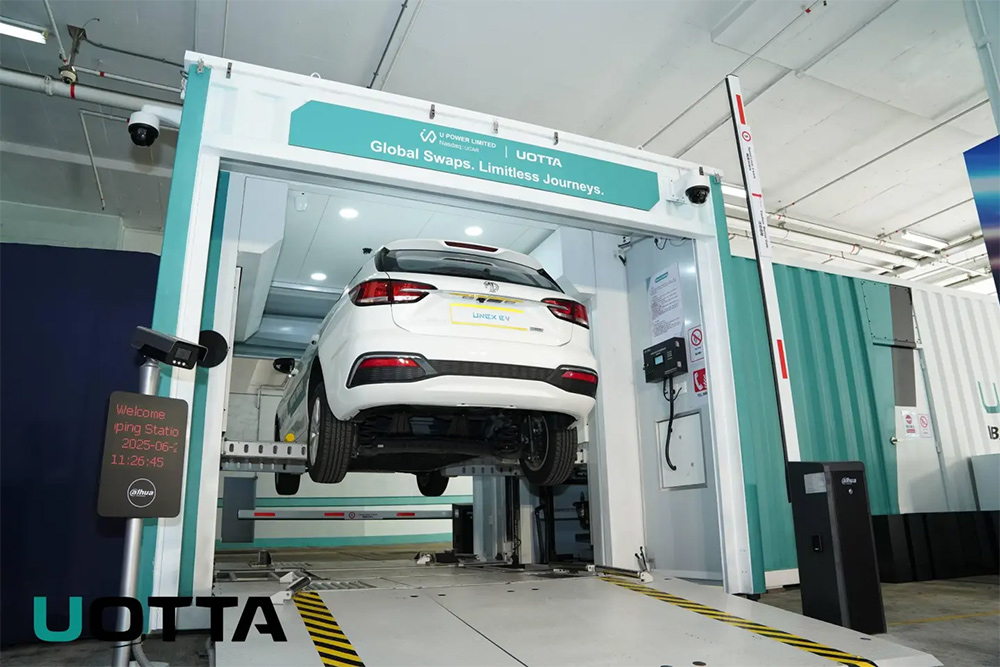
最近的一個早晨,在香港繁忙的貨運碼頭附近的一個工業區,一輛白色名爵(MG)電動出租車緩緩駛入了一個類似洗車房的狹窄換電柜。液壓升降裝置將車輛托起,引導式機械系統隨即滑出出租車耗盡的電池,并換上充滿電的新電池。整個過程無需插電,也無需坐等充電。不到三分鐘,出租車即可重新上路。這是優品車(U Power)在香港投放的首個換電柜。這家鮮為人知的初創公司來自上海,計劃在香港建設數百個換電柜,致力于讓以老舊過時聞名的香港出租車車隊的核心系統實現電動化。
這個市場存在巨大的商機。在香港包括出租車、公交車和貨運車在內的11.9萬輛商用車中,電動車僅占4%。而在出租車中,電動車的比例甚至更低。截至2024年12月,香港僅有90輛電動出租車,占該市18,163輛持牌出租車的0.5%。這與香港私家車中24%的電動車普及率形成了鮮明對比。
香港的現象在全球具有代表性:在全球超過4億輛商用車中,電動汽車的比例不足1%。即使在舊金山、奧斯陸和阿姆斯特丹等電動車普及率較高的城市,電動出租車仍然十分罕見。
從理論上而言,香港的出租車車主有強烈的經濟動機去做出轉變。電動馬達的運動部件少于內燃機,運營和維護成本更低。最近的幾項研究表明,電動車的燃料成本比燃油車低70%以上,這意味著每輛出租車每年可節省約10,000美元。香港政府還提供了更多激勵措施:免除了電動出租車的首次登記稅,并為從燃油車更換為電動車的運營商提供每輛車45,000港元(約合5,750美元)的補貼。
盡管如此,車主和司機仍持謹慎態度。對于商用車尤其是出租車而言,每一分鐘的停運都意味著收入損失。對于高使用率的出租車車隊而言,傳統的電動車充電速度太慢。香港擁有超過11,000個公共電動車充電樁,但其中只有約2,000個是快速充電樁,能在30至60分鐘內將電池充至80%電量。其余的充電樁為汽車充滿電可能需要數小時之久,而大多數司機沒有時間等待。
正如U Power創始人兼CEO李佳所說的那樣,出租車司機平均每小時的收入為200港元(約合25美元):“你讓他們苦等兩個小時?不可能。那可相當于損失了400港元。”除此之外,許多公共充電站還按小時收取停車費,這進一步削弱了電動車的經濟優勢。
換電站可以避免車輛停運,但前提是優品車能在全城建設足夠多的換電站,并說服司機接受這種模式。該公司希望今年年底前在香港投入運營四個換電站,最終設想是構建一個覆蓋全市、擁有超過200個換電站的網絡。
開拓全球市場
香港是一個備受矚目的試驗場,但李佳懷有進軍全球的宏偉目標。優品車已在新加坡和澳門啟動試點項目,并正在泰國、墨西哥、葡萄牙和秘魯積極推廣換電站。他認為泰國和墨西哥的潛力尤為巨大,因為這兩國出租車數量龐大且車輛周轉率高。他指出,曼谷有8萬輛出租車;墨西哥城有超過10萬輛。
在泰國,優品車去年與上汽正大有限公司(SAIC Motor–CP Co.)簽署了戰略合作伙伴關系協議。該公司是中國最大汽車制造商之一與泰國最大企業集團正大集團(CP Group)組建的合資企業。該合作旨在將換電技術應用于名爵出租車和網約車。(披露:《財富》雜志的所有者謝展是正大集團控股家族的成員,也是優品車的最大投資者之一。)
優品車還與泰國石油和燃料零售商SUSCO組建了一家合資公司,計劃在其200個加油站網絡中安裝換電柜;同時與日本住友三井汽車租賃與服務公司(Sumitomo Mitsui Auto Leasing & Service)合作,在普吉島部署一支適配換電的名爵車隊。
該公司目前表示,計劃將其運營總部從上海遷至曼谷,以推動其全球業務的拓展。
在墨西哥,該公司已與車隊運營商Vizeon New Energy合作,開發適配換電的電動出租車、公交車和卡車,并在三個主要城市安裝試點換電站。優品車正在里斯本和利馬開展類似的工作,其目標客戶是中型車隊運營商和配送平臺。
然而值得注意的是,優品車無意進軍全球最大的兩個市場:美國和中國。李佳稱受到城市密度低、基礎設施分散等因素的制約,美國是電動車領域發展滯后的國家。他也排除了中國大陸市場,原因是競爭激烈、現有電動車企業根基深厚,且電網非常先進使得超快充已極為普遍,因此換電變得幾乎沒有必要。
在全球出租車以燃油車為主的大背景下,中國最大的幾個城市顯然是例外。在北京、上海和廣州,出租車中電動車占比超過95%。在與香港一河之隔的繁華大都市深圳,早在2018年,當地政府就已強制要求將該市所有出租車和公交車隊更換為電動車。
納斯達克驚險之旅
優品車的全球擴張計劃引發了納斯達克歷史上最劇烈的上市后股價飆升行情。該公司于2023年4月上市,股價在上市首日暴漲超過600%,并多次觸發交易暫停。被這家顛覆性的中國電動車基礎設施公司的光明前景所吸引,散戶投資者蜂擁而入。優品車的股票(交易代碼為UCAR)在6月投機熱潮消退前,一度飆升至每股901美元的峰值。到年底,股價已跌至18美元。過去52周,優品車的股價在9.05美元至2.47美元之間劇烈震蕩,日波動幅度經常超過10%。目前該公司股票的交易價格低于4.00美元,年初至今跌幅已超50%。目前尚無華爾街主要分析師關注這只股票。
優品車的股價暴跌反映出投資者對其“電池即服務”模式的可行性存在質疑,并且對其財務表現不佳感到失望。批評者質疑,一個需要巨額資本投入、依賴車隊采用且分散在眾多不同市場的換電網絡,難以實現盈利性擴張。根據提交給美國證券交易委員會(U.S. Securities and Exchange Commission, SEC)的文件,這家成立于2013年的公司至今仍未實現盈利,2024年凈虧損770萬美元,而收入僅為608萬美元。
李佳堅稱,得益于東南亞和拉美車隊合同規模的擴大以及日益增長的訂閱收入,公司將在2025年實現收支平衡,并在2026年使利潤增長兩倍。
車主與司機,人心所向
要實現李佳的宏偉愿景,優品車必須在全球一些人口最密集的城市中獲得數百個可行的換電站場址。這在寸土寸金的香港尤其艱巨,因為每個選址都需要規劃審批、電網接入以及全天候的車輛進出通道。迄今為止,優品車在香港僅確定了十個潛在站址。
更大的挑戰或許在于文化層面。要贏得香港17家主要出租車車隊老板及約46,000名行事高度獨立的司機的支持,意味著要改變根深蒂固的習慣,并打消人們心中的疑慮。優品車的模式要求運營商放棄電池所有權,用其專有的UOTTA接口改造車輛,并支付與電池使用量掛鉤的月度訂閱費。這些條款可能難以讓一個長期抵觸集中管控的行業輕易接受。
李佳堅信,經濟效益終將說服市場。他認為,通過將電池與車輛分離,出租車車主的前期成本可降低高達40%。與此同時,優品車將負責充電物流、電池健康監測以及報廢回收。隨著電池性能下降,它們會被輪換至要求較低的應用場景(如固定儲能)或直接回收。
為了提升這種模式的吸引力,李佳提出了一套基于區塊鏈的激勵系統。每塊電池都包含一塊芯片,用于記錄使用情況、充電行為和磨損程度。遵循最優使用模式的司機,如避開高峰時段換電、電池歸還狀況良好等,可獲得數字代幣,這些代幣可以兌換成能源折扣或服務。其目標是建立一個透明、自律的市場,在獎勵智能用電的同時減輕電網壓力。
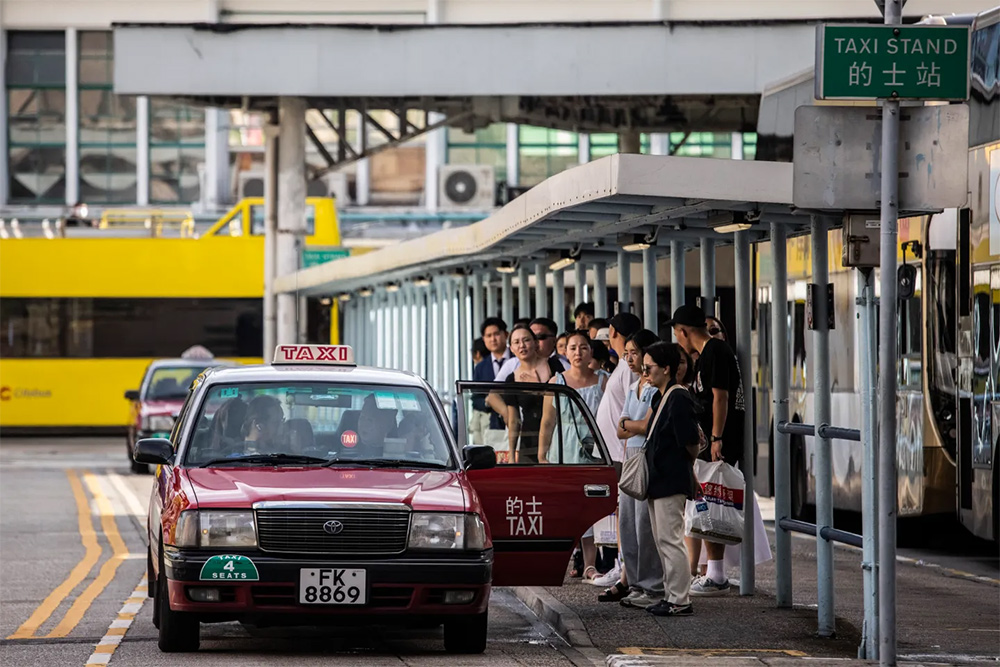
香港出租車行業以難以管束而聞名,這種模式能否被接受,仍有待觀察。香港標志性的紅色、綠色和藍色出租車(紅色出租車服務于香港島和九龍,綠色出租車服務于新界,藍色出租車服務于大嶼山)是城市街頭一道獨特的風景線。它們也以我行我素著稱。大多數司機仍只接受現金支付,長期以來因服務態度惡劣、亂收費和危險駕駛而飽受詬病。各類改革屢屢受挫:1984年,擬議加價方案引發全市騷亂;1991年和2008年,司機舉行了大規模罷工;就在今年二月,司機工會再次威脅罷工,要求政府打擊優步(Uber)等無牌網約車服務。
在6月舉行的優品車香港啟動儀式上,香港的士司機從業員總會(Hong Kong Taxi Drivers & Operators Association)主席出席并簽署了諒解備忘錄,承諾推廣采用UOTTA系統。然而值得注意的是,代表出租車牌照持有者利益(且普遍被視為兩大出租車工會中政治影響力更強的一方)的香港的士商會(Hong Kong Taxi Owners Association),并無代表出席該活動。
盡管如此,實現香港出租車電動化依然具有重要的象征意義。2023年,香港交易所在紐約和倫敦開設辦事處時,并發起一場妙趣橫生的全球廣告宣傳活動:時任行政總裁歐冠升穿梭于曼哈頓和梅費爾街區乘坐的并非黑色豪華轎車,而是經典紅色香港出租車。若一切按李佳的設想推進,那么下次香港出租車再次亮相國際舞臺時,或許將配備可更換電池,它將不僅象征香港這座城市,更代表著電動出行的未來。(財富中文網)
譯者:劉進龍
審校:汪皓
最近的一個早晨,在香港繁忙的貨運碼頭附近的一個工業區,一輛白色名爵(MG)電動出租車緩緩駛入了一個類似洗車房的狹窄換電柜。液壓升降裝置將車輛托起,引導式機械系統隨即滑出出租車耗盡的電池,并換上充滿電的新電池。整個過程無需插電,也無需坐等充電。不到三分鐘,出租車即可重新上路。這是優品車(U Power)在香港投放的首個換電柜。這家鮮為人知的初創公司來自上海,計劃在香港建設數百個換電柜,致力于讓以老舊過時聞名的香港出租車車隊的核心系統實現電動化。
這個市場存在巨大的商機。在香港包括出租車、公交車和貨運車在內的11.9萬輛商用車中,電動車僅占4%。而在出租車中,電動車的比例甚至更低。截至2024年12月,香港僅有90輛電動出租車,占該市18,163輛持牌出租車的0.5%。這與香港私家車中24%的電動車普及率形成了鮮明對比。
香港的現象在全球具有代表性:在全球超過4億輛商用車中,電動汽車的比例不足1%。即使在舊金山、奧斯陸和阿姆斯特丹等電動車普及率較高的城市,電動出租車仍然十分罕見。
從理論上而言,香港的出租車車主有強烈的經濟動機去做出轉變。電動馬達的運動部件少于內燃機,運營和維護成本更低。最近的幾項研究表明,電動車的燃料成本比燃油車低70%以上,這意味著每輛出租車每年可節省約10,000美元。香港政府還提供了更多激勵措施:免除了電動出租車的首次登記稅,并為從燃油車更換為電動車的運營商提供每輛車45,000港元(約合5,750美元)的補貼。
盡管如此,車主和司機仍持謹慎態度。對于商用車尤其是出租車而言,每一分鐘的停運都意味著收入損失。對于高使用率的出租車車隊而言,傳統的電動車充電速度太慢。香港擁有超過11,000個公共電動車充電樁,但其中只有約2,000個是快速充電樁,能在30至60分鐘內將電池充至80%電量。其余的充電樁為汽車充滿電可能需要數小時之久,而大多數司機沒有時間等待。
正如U Power創始人兼CEO李佳所說的那樣,出租車司機平均每小時的收入為200港元(約合25美元):“你讓他們苦等兩個小時?不可能。那可相當于損失了400港元。”除此之外,許多公共充電站還按小時收取停車費,這進一步削弱了電動車的經濟優勢。
換電站可以避免車輛停運,但前提是優品車能在全城建設足夠多的換電站,并說服司機接受這種模式。該公司希望今年年底前在香港投入運營四個換電站,最終設想是構建一個覆蓋全市、擁有超過200個換電站的網絡。
開拓全球市場
香港是一個備受矚目的試驗場,但李佳懷有進軍全球的宏偉目標。優品車已在新加坡和澳門啟動試點項目,并正在泰國、墨西哥、葡萄牙和秘魯積極推廣換電站。他認為泰國和墨西哥的潛力尤為巨大,因為這兩國出租車數量龐大且車輛周轉率高。他指出,曼谷有8萬輛出租車;墨西哥城有超過10萬輛。
在泰國,優品車去年與上汽正大有限公司(SAIC Motor–CP Co.)簽署了戰略合作伙伴關系協議。該公司是中國最大汽車制造商之一與泰國最大企業集團正大集團(CP Group)組建的合資企業。該合作旨在將換電技術應用于名爵出租車和網約車。(披露:《財富》雜志的所有者謝展是正大集團控股家族的成員,也是優品車的最大投資者之一。)
優品車還與泰國石油和燃料零售商SUSCO組建了一家合資公司,計劃在其200個加油站網絡中安裝換電柜;同時與日本住友三井汽車租賃與服務公司(Sumitomo Mitsui Auto Leasing & Service)合作,在普吉島部署一支適配換電的名爵車隊。
該公司目前表示,計劃將其運營總部從上海遷至曼谷,以推動其全球業務的拓展。
在墨西哥,該公司已與車隊運營商Vizeon New Energy合作,開發適配換電的電動出租車、公交車和卡車,并在三個主要城市安裝試點換電站。優品車正在里斯本和利馬開展類似的工作,其目標客戶是中型車隊運營商和配送平臺。
然而值得注意的是,優品車無意進軍全球最大的兩個市場:美國和中國。李佳稱受到城市密度低、基礎設施分散等因素的制約,美國是電動車領域發展滯后的國家。他也排除了中國大陸市場,原因是競爭激烈、現有電動車企業根基深厚,且電網非常先進使得超快充已極為普遍,因此換電變得幾乎沒有必要。
在全球出租車以燃油車為主的大背景下,中國最大的幾個城市顯然是例外。在北京、上海和廣州,出租車中電動車占比超過95%。在與香港一河之隔的繁華大都市深圳,早在2018年,當地政府就已強制要求將該市所有出租車和公交車隊更換為電動車。
納斯達克驚險之旅
優品車的全球擴張計劃引發了納斯達克歷史上最劇烈的上市后股價飆升行情。該公司于2023年4月上市,股價在上市首日暴漲超過600%,并多次觸發交易暫停。被這家顛覆性的中國電動車基礎設施公司的光明前景所吸引,散戶投資者蜂擁而入。優品車的股票(交易代碼為UCAR)在6月投機熱潮消退前,一度飆升至每股901美元的峰值。到年底,股價已跌至18美元。過去52周,優品車的股價在9.05美元至2.47美元之間劇烈震蕩,日波動幅度經常超過10%。目前該公司股票的交易價格低于4.00美元,年初至今跌幅已超50%。目前尚無華爾街主要分析師關注這只股票。
優品車的股價暴跌反映出投資者對其“電池即服務”模式的可行性存在質疑,并且對其財務表現不佳感到失望。批評者質疑,一個需要巨額資本投入、依賴車隊采用且分散在眾多不同市場的換電網絡,難以實現盈利性擴張。根據提交給美國證券交易委員會(U.S. Securities and Exchange Commission, SEC)的文件,這家成立于2013年的公司至今仍未實現盈利,2024年凈虧損770萬美元,而收入僅為608萬美元。
李佳堅稱,得益于東南亞和拉美車隊合同規模的擴大以及日益增長的訂閱收入,公司將在2025年實現收支平衡,并在2026年使利潤增長兩倍。
車主與司機,人心所向
要實現李佳的宏偉愿景,優品車必須在全球一些人口最密集的城市中獲得數百個可行的換電站場址。這在寸土寸金的香港尤其艱巨,因為每個選址都需要規劃審批、電網接入以及全天候的車輛進出通道。迄今為止,優品車在香港僅確定了十個潛在站址。
更大的挑戰或許在于文化層面。要贏得香港17家主要出租車車隊老板及約46,000名行事高度獨立的司機的支持,意味著要改變根深蒂固的習慣,并打消人們心中的疑慮。優品車的模式要求運營商放棄電池所有權,用其專有的UOTTA接口改造車輛,并支付與電池使用量掛鉤的月度訂閱費。這些條款可能難以讓一個長期抵觸集中管控的行業輕易接受。
李佳堅信,經濟效益終將說服市場。他認為,通過將電池與車輛分離,出租車車主的前期成本可降低高達40%。與此同時,優品車將負責充電物流、電池健康監測以及報廢回收。隨著電池性能下降,它們會被輪換至要求較低的應用場景(如固定儲能)或直接回收。
為了提升這種模式的吸引力,李佳提出了一套基于區塊鏈的激勵系統。每塊電池都包含一塊芯片,用于記錄使用情況、充電行為和磨損程度。遵循最優使用模式的司機,如避開高峰時段換電、電池歸還狀況良好等,可獲得數字代幣,這些代幣可以兌換成能源折扣或服務。其目標是建立一個透明、自律的市場,在獎勵智能用電的同時減輕電網壓力。
香港出租車行業以難以管束而聞名,這種模式能否被接受,仍有待觀察。香港標志性的紅色、綠色和藍色出租車(紅色出租車服務于香港島和九龍,綠色出租車服務于新界,藍色出租車服務于大嶼山)是城市街頭一道獨特的風景線。它們也以我行我素著稱。大多數司機仍只接受現金支付,長期以來因服務態度惡劣、亂收費和危險駕駛而飽受詬病。各類改革屢屢受挫:1984年,擬議加價方案引發全市騷亂;1991年和2008年,司機舉行了大規模罷工;就在今年二月,司機工會再次威脅罷工,要求政府打擊優步(Uber)等無牌網約車服務。
在6月舉行的優品車香港啟動儀式上,香港的士司機從業員總會(Hong Kong Taxi Drivers & Operators Association)主席出席并簽署了諒解備忘錄,承諾推廣采用UOTTA系統。然而值得注意的是,代表出租車牌照持有者利益(且普遍被視為兩大出租車工會中政治影響力更強的一方)的香港的士商會(Hong Kong Taxi Owners Association),并無代表出席該活動。
盡管如此,實現香港出租車電動化依然具有重要的象征意義。2023年,香港交易所在紐約和倫敦開設辦事處時,并發起一場妙趣橫生的全球廣告宣傳活動:時任行政總裁歐冠升穿梭于曼哈頓和梅費爾街區乘坐的并非黑色豪華轎車,而是經典紅色香港出租車。若一切按李佳的設想推進,那么下次香港出租車再次亮相國際舞臺時,或許將配備可更換電池,它將不僅象征香港這座城市,更代表著電動出行的未來。(財富中文網)
譯者:劉進龍
審校:汪皓
On a recent morning in an industrial zone near Hong Kong’s bustling cargo port, a white MG electric taxi glided into a narrow kiosk resembling a car wash. A hydraulic lift elevated the vehicle, allowing a guided mechanical system to slide out the taxi’s depleted battery and replace it with a fully charged one. There was no plugging in, no waiting around to recharge. The taxi was ready for the road in under three minutes. That battery-swapping kiosk is the first of a network of hundreds planned for Hong Kong by U Power, a little-known startup from Shanghai that aims to electrify the beating heart of the city’s notoriously antiquated taxi fleet.
The opportunity is huge. In Hong Kong, electric vehicles make up just 4% of the city’s 119,000 commercial vehicles, including taxis, buses, and delivery vans. For taxis, the percentage of EVs is even lower. As of December 2024, Hong Kong had only 90 electric taxis, accounting for 0.5% of the city’s 18,163 licensed cabs. That’s a stark contrast to the 24% penetration rate among the city’s private auto fleet.
Hong Kong is representative of a global phenomenon: Of the more than 400 million commercial vehicles worldwide, fewer than 1% are electric. Even in cities with high EV penetration rates—including San Francisco, Oslo, and Amsterdam—electric taxis remain a rarity.
In theory, Hong Kong’s taxi owners have strong financial incentives to make the switch. Electric motors, with fewer moving parts than internal combustion engines, are cheaper to run and maintain. Several recent studies suggest fuel costs for EVs are more than 70% lower than for gas-powered vehicles, translating to annual savings of about $10,000 per taxi. The Hong Kong government offers further inducements: it has waived first-time registration taxes for electric taxis and granted a 45,000 Hong Kong dollar (about $5,750) subsidy per vehicle to operators who switch from gas to electric.
Still, owners and drivers are wary. For commercial vehicles, especially taxis, every minute of downtime means lost revenue. Conventional EV charging is far too slow for high-utilization fleets. Hong Kong has more than 11,000 public EV chargers, but only about 2,000 are quick or fast chargers, capable of restoring batteries to 80% in 30 to 60 minutes. The rest can take several hours to fully recharge a vehicle—time most drivers don’t have.
As Li points out, the average taxi driver earns 200 Hong Kong dollars (about $25) per hour: “You ask them to sit idle for two hours? No way. That’s 400 [Hong Kong] dollars gone.” On top of that, many public charging stations impose hourly parking fees, further eroding the economic case for EVs.
Battery swapping stations could eliminate that downtime—but only if U Power can build enough of them across the city and persuade drivers to embrace the model. The company hopes to have four stations in operation in Hong Kong by the end of this year and ultimately envisions a citywide network of more than 200.
Beyond Hong Kong
Hong Kong is a high-profile testbed, but Li has global ambitions. U Power has launched pilots in Singapore and Macau and is actively rolling out swap stations in Thailand, Mexico, Portugal, and Peru. Li sees Thailand and Mexico as particularly promising due to their large taxi fleets and high vehicle turnover. Bangkok, he notes, has 80,000 taxis; Mexico City has more than 100,000.
In Thailand, U Power last year signed a strategic partnership with SAIC Motor–CP Co., a joint venture between one of China’s largest automakers and CP Group, Thailand’s largest conglomerate. The venture aims to integrate battery-swapping technology into MG taxis and ride-hailing vehicles. (Disclosure: Fortune’s owner, Chatchaval Jiaravanon, is a member of the family that controls the CP Group, and he is one of U Power’s largest investors.)
U Power has also formed a joint venture with SUSCO, a Thai oil and fuel retailer, to install kiosks at its network of 200 gas stations and teamed up with Japan’s Sumitomo Mitsui Auto Leasing & Service to deploy a fleet of swapping-compatible MGs in the island province of Phuket.
And the company now says that it plans to move its operational headquarters from Shanghai to Bangkok in order to fuel its global expansion.
In Mexico, the company has partnered with fleet operator Vizeon New Energy to develop swap-compatible EV taxis, buses, and trucks, and install pilot swap stations in three major cities. Similar efforts are underway in Lisbon and Lima, where U Power is targeting midsize fleet operators and delivery platforms.
Notably, though, U Power has no plans to enter the world’s two largest markets: the U.S. and China. Li calls the U.S. an EV laggard, hampered by low urban density, fragmented infrastructure, and an unpredictable regulatory landscape for Chinese tech companies. He’s also ruled out the Chinese mainland due to fierce competition, entrenched EV incumbents, and a power grid so advanced that ultra-fast charging is widely available—making battery swapping largely unnecessary.
China’s largest cities are notable exceptions to the global dominance of gas-powered taxis. Electric vehicles account for more than 95% of the taxi fleet in Beijing, Shanghai, and Guangzhou. In Shenzhen, the sprawling metropolis just across the border from Hong Kong, authorities have mandated the conversion of the city’s entire taxi and bus fleets to electric vehicles as far back as 2018.
A wild ride on the Nasdaq
U Power’s plans for global expansion sparked one of the most explosive post-IPO rallies in Nasdaq history. When the company debuted in April 2023, shares shot up over 600% on opening day, triggering multiple trading halts. Retail traders piled in, lured by the promise of a disruptive Chinese EV infrastructure play. The stock, which trades under the moniker UCAR, peaked at $901 in June before speculative fervor collapsed. By year’s end shares had slumped to $18. Over the past 52 weeks, U Power’s share price has oscillated between $9.05 and $2.47, with day-to-day swings often exceeding 10%. The stock currently trades below $4.00, down more than 50% year-to-date. No major Wall Street analyst currently follows UCAR.
U Power’s stock’s slump reflects investor skepticism about the feasibility of its “battery-as-a-service” model and frustration with its lackluster financials. Critics question whether a battery swap network—capital intensive, dependent on fleet adoption, and distributed across so many different markets—can scale profitably. The company, launched in 2013, remains unprofitable, posting a $7.7 million net loss on $6.08 million in revenue in 2024, according to documents filed with the U.S. Securities and Exchange Commission.
Li insists the company will break even in 2025 and triple profits in 2026, thanks to expanding fleet contracts and growing subscription revenue in Southeast Asia and Latin America.
Owners and drivers, hearts and minds
To realize Li’s grand visions, U Power must secure hundreds of viable swap sites in some of the world’s most crowded cities. That’s an especially daunting proposition in Hong Kong, where land is expensive, and each location will require zoning approvals, grid connectivity, and all-hours vehicle access. So far, U Power has identified just ten potential sites in the city.
The bigger challenge may be cultural. Winning over Hong Kong’s 17 major taxi fleet owners and some 46,000 fiercely independent drivers means reshaping deep-seated habits and suspicions. U Power’s model requires operators to give up battery ownership, retrofit vehicles with the company’s proprietary UOTTA interface, and pay monthly subscription fees tied to battery use—terms that may not sit easily with a sector long allergic to centralized control.
Li insists the economics will win out. By decoupling batteries from vehicles, he argues, taxi owners can reduce up-front costs by as much as 40%. U Power, meanwhile, assumes responsibility for charging logistics, battery health monitoring, and end-of-life recycling. As batteries degrade, they’re rotated into less demanding uses—like stationary energy storage—or recycled outright.
To sweeten the deal, Li has floated a blockchain-based incentive system. Each battery contains a chip that logs usage, charging behavior, and wear. Drivers who follow optimal patterns—avoiding peak-hour swaps, returning batteries in good condition—can earn digital tokens redeemable for energy discounts or services. The goal: a transparent, self-regulating marketplace that reduces strain on the grid while rewarding smart usage.
Whether Hong Kong’s notoriously unruly taxi sector will buy in remains to be seen. The city’s iconic red, green, and blue cabs—red for Hong Kong Island and Kowloon, green for the New Territories, and blue for Lantau—are instantly recognizable symbols of the city. They’re also famously idiosyncratic. Most drivers still accept cash only and have long attracted complaints of rude service, overcharging, and reckless driving. Reform efforts have repeatedly hit walls: A proposed fee hike in 1984 triggered citywide riots; drivers staged mass strikes in 1991 and 2008; and just this February, the drivers’ union threatened another unless the government cracked down on unlicensed ride-hailing services like Uber.
At U Power’s Hong Kong launch ceremony in June, the chairman of the Hong Kong Taxi Drivers & Operators Association attended and signed a memorandum of understanding pledging to promote the adoption of the UOTTA system. Notably, though, no representatives of the Hong Kong Taxi Owners Association, which represents the interests of taxi license holders—and is generally considered the more politically powerful of the two major taxi unions—attended the event.
Still, the symbolism of electrifying Hong Kong’s taxis is potent. In 2023, when the city’s stock exchange opened offices in New York and London, it marked the milestone with a cheeky global ad campaign featuring?then-CEO Nicolas Aguzin rolling through Manhattan and Mayfair—not in a black limo, but in the back of a classic red Hong Kong cab.?If Li Jia has his way, the next time one of those taxis makes an international cameo, it’ll be running on swappable power—a symbol not only of the city, but of the future of electric mobility.

請打開財富Plus APP