


87歲董事長的成功秘訣:最重要的是守時
Preston ForeStaff
2025-07-22
Z世代員工認為上班遲到10分鐘與準時到崗無異——但87歲的董事長喬治·蓋勒特(George Gellert)表示,始終踐行守時準則是其漫長職業生涯的成功秘訣。
 文本設置
文本設置
 Plus(0條)

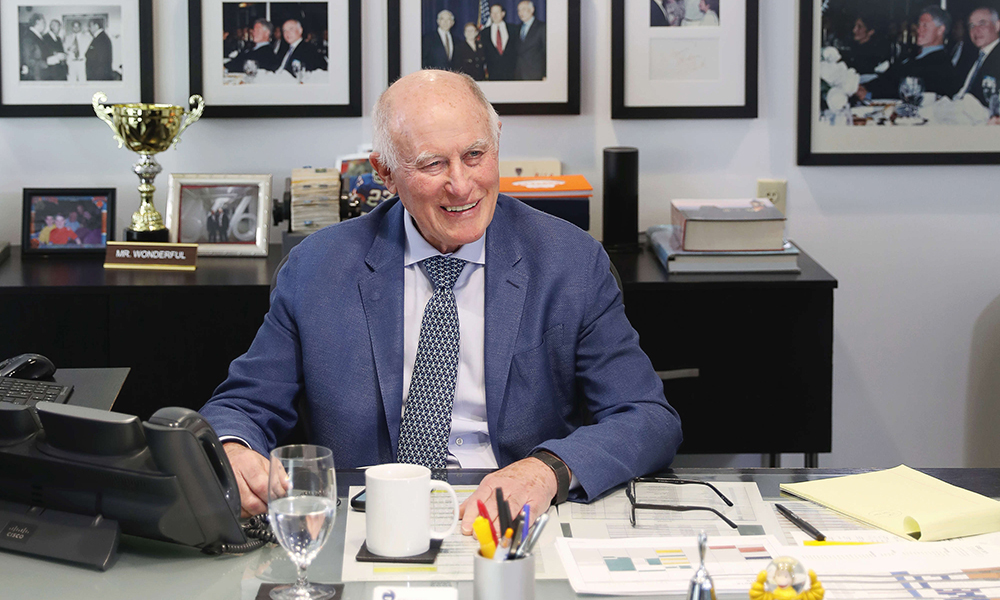
? 研究顯示,Z世代員工認為上班遲到10分鐘與準時到崗無異——但現年87歲、執掌年營收達17億美元的Gellert Global Group的董事長警告稱,遲到一分鐘“與遲到一小時無異”。喬治·蓋勒特甚至將自己的職業成功歸功于守時——他至今仍將鬧鐘定在凌晨4點45分,以確保自己始終踐行守時準則。
許多員工都在期盼著62歲的到來——屆時就能領取退休金、并徹底告別朝九晚五的生活。
然而,對于現年87歲的喬治·蓋勒特而言,這種忙碌的生活仍未畫上句號。
他是Gellert Global Group的董事長,這家食品進口與分銷企業網絡年營收總計達17億美元。盡管在近60年的職業生涯里,他經歷過戰爭、自然災害及近年的關稅戰等國際貿易挑戰,但他向《財富》雜志透露,自己成功的最大秘訣并非通讀所有管理學書籍或精通電梯游說技巧,而是始終緊盯手表、恪守時間。
“我母親常對我說,遲到一分鐘與遲到一小時無異。”他向《財富》雜志回憶道。
對于蓋勒特而言,嚴格的日程安排從每天清晨太陽尚未升起便已開啟——凌晨4點45分。不過,他早上的第一件事并非查看郵件或悠閑地享用咖啡,而是給商業伙伴查爾斯·庫什納(Charles Kushner,剛被任命為美國駐法國大使)打電話。
“我每天清晨4點45分至5點之間和他通話15分鐘。之后,我會在打網球前先鍛煉一小時,接著從6點到7點30分打網球,8點剛過便抵達辦公室。”
守時和堅持日常作息聽起來似乎是理所當然的,但有跡象表明,年輕人對遲到的容忍度正在提高。2024年的一項研究發現,Z世代并不把遲到當回事兒,在接受調查的16至26歲人群中,近半數認為遲到5至10分鐘與準時到場無異。相比之下,僅有約40%的千禧一代認為遲到10分鐘尚可接受,X世代和嬰兒潮一代持這一觀點的比例分別為26%和20%。
蓋勒特:成功意味著親力親為
當蓋勒特于1966年在岳父的公司Atalanta開啟職業生涯時,他的工作是拆郵件(他開玩笑說,那時候還沒有電子郵件)。當時,這或許看似是一份枯燥的文職工作,但卻讓他得以了解公司內部的整體運作模式——他表示,這恰是當下年輕人能夠從中汲取的經驗與教訓。
他告訴《財富》雜志:“要親力親為,從基層做起。”
但如今許多年輕職場人不再愿意在同一家公司工作數十年。尤其是Z世代,他們跳槽的頻率遠超以往,部分原因是為了謀求更具優勢的職位或是更高的薪資。事實上,一項研究發現,56%的Z世代認為每兩到三年換一次工作是能夠接受的。
蓋勒特稱,企業肩負著營造更優質環境的責任,助力初級員工實現成長。
“你必須激勵他們,讓他們感受到你的存在,”他說道。“他們總是想知道,我的未來在何方?下一步該怎么走?因此,你必須確保他們有清晰的職業發展路徑,否則他們就會離開。”
這也意味著,要從一開始就選擇以成長為導向的員工:“我開玩笑說,如果他們打高爾夫,我就不會雇傭他們。他們有太多閑暇時間了。”他說道。
在蓋勒特的領導下,家族企業從一家波蘭罐裝火腿進口商發展成為如今已走過80年風雨的十億級企業。但他表示,成功的認可不應來自他人,而應來自自身目標的達成。
蓋勒特說:“要在自己所做之事中尋得滿足感,盡量保持低調。當成功來臨時,你就會知道那是你努力工作的結果。”
沉默一代領導者的謝幕
盡管蓋勒特的許多同齡人已告別董事會,享受退休生活,但他并非個例。現年94歲的億萬富翁沃倫·巴菲特(Warren Buffett)仍擔任伯克希爾-哈撒韋公司(Berkshire Hathaway)首席執行官(雖計劃于今年晚些時候卸任)。然而,巴菲特的作息習慣與蓋勒特提倡的早起理念大相徑庭。
“我睡眠時長頗為可觀,我很享受睡覺這件事。”巴菲特在2017年接受美國公共廣播公司《新聞一小時》采訪時說道,“我通常每晚睡八小時,而且——不,我不想凌晨四點就去上班。”
巴菲特與已故商業伙伴查理·芒格(Charlie Munger)也有著歷久彌堅的深厚友誼,但最終,或許將蓋勒特和巴菲特與其他人區分開來的,并非他們的凈資產或頭銜,而是他們的態度。
“我們享受自己正在做的事。”蓋勒特說道。(財富中文網)
譯者:中慧言-王芳
? 研究顯示,Z世代員工認為上班遲到10分鐘與準時到崗無異——但現年87歲、執掌年營收達17億美元的Gellert Global Group的董事長警告稱,遲到一分鐘“與遲到一小時無異”。喬治·蓋勒特甚至將自己的職業成功歸功于守時——他至今仍將鬧鐘定在凌晨4點45分,以確保自己始終踐行守時準則。
許多員工都在期盼著62歲的到來——屆時就能領取退休金、并徹底告別朝九晚五的生活。
然而,對于現年87歲的喬治·蓋勒特而言,這種忙碌的生活仍未畫上句號。
他是Gellert Global Group的董事長,這家食品進口與分銷企業網絡年營收總計達17億美元。盡管在近60年的職業生涯里,他經歷過戰爭、自然災害及近年的關稅戰等國際貿易挑戰,但他向《財富》雜志透露,自己成功的最大秘訣并非通讀所有管理學書籍或精通電梯游說技巧,而是始終緊盯手表、恪守時間。
“我母親常對我說,遲到一分鐘與遲到一小時無異。”他向《財富》雜志回憶道。
對于蓋勒特而言,嚴格的日程安排從每天清晨太陽尚未升起便已開啟——凌晨4點45分。不過,他早上的第一件事并非查看郵件或悠閑地享用咖啡,而是給商業伙伴查爾斯·庫什納(Charles Kushner,剛被任命為美國駐法國大使)打電話。
“我每天清晨4點45分至5點之間和他通話15分鐘。之后,我會在打網球前先鍛煉一小時,接著從6點到7點30分打網球,8點剛過便抵達辦公室。”
守時和堅持日常作息聽起來似乎是理所當然的,但有跡象表明,年輕人對遲到的容忍度正在提高。2024年的一項研究發現,Z世代并不把遲到當回事兒,在接受調查的16至26歲人群中,近半數認為遲到5至10分鐘與準時到場無異。相比之下,僅有約40%的千禧一代認為遲到10分鐘尚可接受,X世代和嬰兒潮一代持這一觀點的比例分別為26%和20%。
蓋勒特:成功意味著親力親為
當蓋勒特于1966年在岳父的公司Atalanta開啟職業生涯時,他的工作是拆郵件(他開玩笑說,那時候還沒有電子郵件)。當時,這或許看似是一份枯燥的文職工作,但卻讓他得以了解公司內部的整體運作模式——他表示,這恰是當下年輕人能夠從中汲取的經驗與教訓。
他告訴《財富》雜志:“要親力親為,從基層做起。”
但如今許多年輕職場人不再愿意在同一家公司工作數十年。尤其是Z世代,他們跳槽的頻率遠超以往,部分原因是為了謀求更具優勢的職位或是更高的薪資。事實上,一項研究發現,56%的Z世代認為每兩到三年換一次工作是能夠接受的。
蓋勒特稱,企業肩負著營造更優質環境的責任,助力初級員工實現成長。
“你必須激勵他們,讓他們感受到你的存在,”他說道。“他們總是想知道,我的未來在何方?下一步該怎么走?因此,你必須確保他們有清晰的職業發展路徑,否則他們就會離開。”
這也意味著,要從一開始就選擇以成長為導向的員工:“我開玩笑說,如果他們打高爾夫,我就不會雇傭他們。他們有太多閑暇時間了。”他說道。
在蓋勒特的領導下,家族企業從一家波蘭罐裝火腿進口商發展成為如今已走過80年風雨的十億級企業。但他表示,成功的認可不應來自他人,而應來自自身目標的達成。
蓋勒特說:“要在自己所做之事中尋得滿足感,盡量保持低調。當成功來臨時,你就會知道那是你努力工作的結果。”
沉默一代領導者的謝幕
盡管蓋勒特的許多同齡人已告別董事會,享受退休生活,但他并非個例。現年94歲的億萬富翁沃倫·巴菲特(Warren Buffett)仍擔任伯克希爾-哈撒韋公司(Berkshire Hathaway)首席執行官(雖計劃于今年晚些時候卸任)。然而,巴菲特的作息習慣與蓋勒特提倡的早起理念大相徑庭。
“我睡眠時長頗為可觀,我很享受睡覺這件事。”巴菲特在2017年接受美國公共廣播公司《新聞一小時》采訪時說道,“我通常每晚睡八小時,而且——不,我不想凌晨四點就去上班。”
巴菲特與已故商業伙伴查理·芒格(Charlie Munger)也有著歷久彌堅的深厚友誼,但最終,或許將蓋勒特和巴菲特與其他人區分開來的,并非他們的凈資產或頭銜,而是他們的態度。
“我們享受自己正在做的事。”蓋勒特說道。(財富中文網)
譯者:中慧言-王芳
? Research shows that Gen Z workers think showing up 10 minutes late to work is as good as being on time—but the 87-year-old chairman of the $1.7 billion-a-year Gellert Global Group warns being a minute late “is the same as being an hour late.” George Gellert even credits his punctuality for his career success—and still sets his alarm for 4:45 a.m. to make sure he’s always on time.
Many workers are counting down the days until they turn 62, begin receiving retirement benefits, and can say goodbye forever to the 9-to-5.
However, for George Gellert, now 87 years old, the grind still hasn’t stopped.
He is the chairman of Gellert Global Group, a network of food importing and distribution companies that rack in a collective $1.7 billion in revenue each year. And while his career has spanned nearly 60 years and has included navigating international trade through wars, natural disasters and recent tariff battles, he reveals to Fortune that the biggest secret to his success hasn’t been reading every management book or mastering an elevator pitch. Instead, it’s always paying attention to his watch.
“My mother would say to me, if you’re one minute late, it’s the same as being an hour late,” he recalled to Fortune.
For Gellert, keeping to a strict schedule starts most mornings before the sun has even risen—at 4:45 a.m. But the first part of his day isn’t checking his email or sipping his coffee in peace, it’s placing a call to his business partner, Charles Kushner (who just became the U.S. ambassador to France).
“I talk to him for 15 minutes every morning from 4:45 to 5:00. Then I work out an hour before tennis, and then I start my tennis from 6:00 to 7:30 and I’m in the office a little after 8:00.”
Staying on time and sticking to a routine may sound like no brainers, but there’s indications that tolerance for tardiness increases among younger people. A 2024 study found that Gen Z don’t see running late as a big deal, with almost half of those surveyed ages 16 to 26 saying that being between five and 10 minutes behind is just as good as being punctual. However, that drops to around 40% of millennials believing 10 minutes behind schedule is OK. Only 26% of Generation X and 20% of baby boomers feel the same.
Success means getting your hands dirty, according to Gellert
When Gellert first started his career at his father-in-law’s company, Atalanta, in 1966, he was tasked with opening mail (back when they didn’t have email, he joked). At the time, it may have seemed like monotonous clerical work, but it opened his eyes to the entire inner workings of the company—a lesson he says young people of today can learn from.
“Get your hands dirty,” he tells Fortune. “Start at the bottom.”
But for many young professionals today, staying at the same company for decades is no longer what they enjoy. Instead, Gen Z in particular are job-hopping more than ever, in part to try to secure a more lucrative title or higher salary. In fact, one study found that 56% of Gen Z think it’s acceptable to change jobs every two to three years.
It’s on companies to do better about fostering an environment where junior employees can grow, Gellert says.
“You gotta motivate them to feel you,” he says. “They’re always wondering, what’s my future? What’s the next step? So, you have to really make sure that they have a career path going forward, because if not, they’ll leave.”
That also means picking employees who are growth-oriented to begin with: “I make a joke if they play golf, I don’t want to hire them. They have too much time,” he says.
And while Gellert’s leadership has helped his family’s business grow from being simply a Polish canned-ham importer to a billion-dollar enterprise now in its 80th year, he says validation of success shouldn’t come from others—but rather in reaching your own goals.
“Find satisfaction in what you do,” Gellert says. “Try to keep a low-key profile. When success comes to you, you know you’ve worked hard.”
The end of silent generation leadership
While many of Gellert’s fellow members of the silent generation are now enjoying their retirement years away from the board room—he’s not alone. Billionaire Warren Buffett, now 94-years-old, still serves as the CEO of Berkshire Hathaway (though is set to step away later this year). However, his routine is contrary to the early-riser mantra of Gellert.
“I get quite a bit of sleep. I like to sleep,” Buffett said in a 2017 interview with PBS NewsHour. “I will usually sleep eight hours a night, and that—no, I have no desire to get to work at four in the morning.”
And while Buffett also notably had a lasting bond with his respective business partner, the late Charlie Munger, ultimately, what might distinguish Gellert and Buffett from others is not their net worth or title, it’s their attitude.
“We enjoy what we’re doing here,” Gellert said.

請打開財富Plus APP