




2019年應該怎么投資?請看《財富》專家的建議
|
國民經濟和股市的步調并非總是一致的,今年秋天的美股表現就給投資者上了深刻的一課。 美國GDP和就業的突飛猛進的增長,令近來美股市場的表現顯得更加難看,此前備受青睞的一些個股也已陷入熊市的泥淖。對通脹和貿易摩擦的擔憂是此輪股市震蕩的主要原因,另一個原因則是本輪牛市已經持續了十年之久,市場普遍擔憂拐點馬上就要到來。那么在美股下行的大背景下,還有哪些公司能帶來比較出色的回報呢?為了回答這一問題,《財富》雜志召開了一年一度的投資者圓桌會議。 今年我們邀請的專家有:帕納索斯投資公司的產品經理洛里·基思(他的公司專門從事社會責任投資,托管資產達280億美元)、T. Rowe Price公司的投資總監約翰·萊恩漢(托管資產達1.1萬億美元)、ARK投資公司的CEO凱瑟琳·伍德(她的公司主要投資“顛覆性創新”領域)、愛德華瓊斯公司的投資策略師凱特·沃恩(該公司托管資產達1萬億美元)、Boldstart Ventures公司的創始人艾德·希姆(該公司為一家早期風投公司,主要關注科技基礎設施和軟件開發領域)。下文是他們的討論內容摘編。 《財富》:當前,美國經濟強勢增長,失業率保持在較低水平,美國貌似已達到一個經濟周期的頂峰。那么接下來會發生什么呢?是經濟增長輕微放緩,還是會有更嚴重的事情發生? 凱特·沃恩:美國的經濟增長率可能已經達到頂點了,比如今年二季度,美國的經濟增長率已經達到了4%以上。不過,當前保持經濟高增長和低失業率的許多因素仍然存在。我們認為,受關稅因素影響,美國的經濟增長將略有放緩。另外,明年減稅因素的影響也不會有今年這樣大了。不過我們不認為經濟增長本身已經達到頂點。2019年可以被看作一段長期經濟擴張的一部分。 《財富》:對于這樣一種漸進式的變化,你是否已經做出了某些調整? 沃恩:隨著本輪經濟周期已進入下半場,我們需要擁有更多的固定收益以抵御波動。在證券方面,我會重點關注那些有定價權的公司。我們看到,高關稅和經濟中的一些短板和瓶頸已經帶來了一些成本壓力。在這種時期,那些有能力轉嫁高成本的企業的處境會好得多。比如在醫療領域,像諾華制藥這樣的公司有能力繼續提價,當然對這方面,我們也有一些監管方面的顧慮。 約翰·萊恩漢:通常看來,牛市并不是“老死”的,而是死于經濟衰退或過度投機。目前我們并未看到二者中的任何一個因素,雖然我們已經開始看見這兩個因素的一些危險信號。 從長期看,高收益、高分紅的股票已經跑贏了大盤,是一個有吸引力的收益來源。我們認為,這些股票非常適合一個平衡的投資組合。目前已經有一些高收益股票吸引了我們,而且我們認為市場并未給予這些股票足夠的認可——實際上,市場當前是在朝著經濟下行的方向定價的。但我們并不認為明年經濟就會下行,市場還是有一些真正的機會的。比如國際紙業(International Paper)的股息率達到了近5%,它有很大的周期性風險敞口。 另一支值得關注的個股是拉斯維加斯金沙集團(Las Vegas Sands),考慮到其在澳門和新加坡的地位,它的長期增長前景十分強勁。目前,投資者對中國的情況有很多擔憂,但澳門的長期增長前景仍然是向好的。況且你還能拿到5%以上的股息。 《財富》:你剛剛提到了過度投機的問題。下面這個問題是給在座所有人的:你們認為,目前的估值相比于價值是否過高了? |
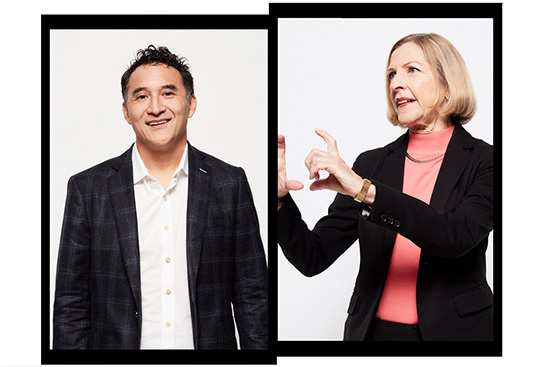
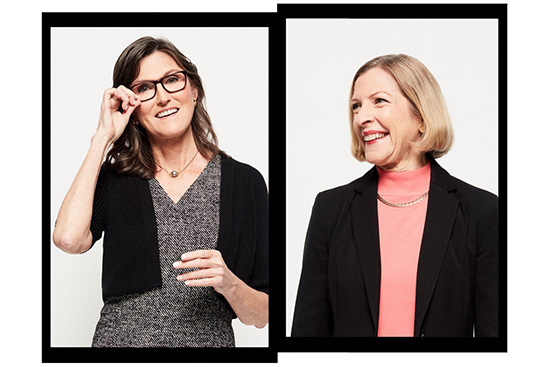
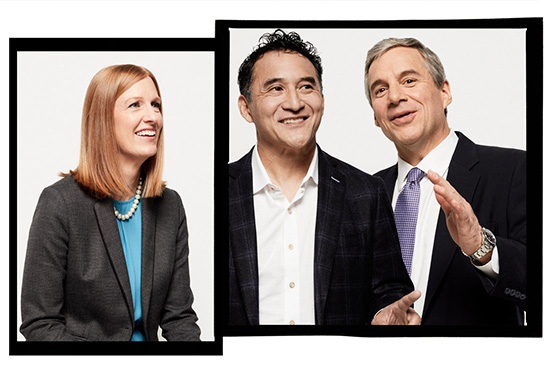
The economy and the stock market don’t always march in lockstep, and investors got a sharp reminder of that fact this fall. Parade-and-fireworks-worthy GDP growth and employment numbers shared the spotlight with an ugly market slide that took some previously beloved stocks into bear-market territory. Fears about inflation and trade tensions were among the culprits; so was the pervasive sense that the U.S. bull market, nearly 10 years old, can’t last much longer. So which companies will be able to deliver standout returns as the market’s mood gets more downbeat? To answer that question, Fortune convened our annual roundtable of investors. This year’s panel included Lori Keith, portfolio manager at Parnassus Investments, which specializes in socially responsible investing and has $28 billion under management; John Linehan, chief investment officer for equity at T. Rowe Price, which has $1.1 trillion under management; Catherine Wood, CEO of ARK Invest, a firm whose investments focus on “disruptive innovation”; Kate Warne, investment strategist for $1 trillion financial services firm Edward Jones; and Ed Sim, founder of Boldstart Ventures, an early-stage venture capital firm specializing in tech infrastructure and software development. Here, edited excerpts from their discussion. FORTUNE: With growth strong and unemployment low, it’s hard not to feel that we’ve reached the peak of an economic cycle. So what comes next? Is it a gentle slowdown or something more severe? KATE WARNE: We may be at the peak growth rate, like we saw in the second quarter with growth above 4%. But many of the factors that have kept the economy growing and have kept the unemployment rate falling remain in place. We do expect growth to fade a bit as tariffs bite, and the impact of the tax cuts from this year won’t be as strong next year. But we don’t see this as some kind of peak. Think of 2019 as part of this long, extended expansion. FORTUNE: Are there adjustments you’re making to adapt to that more gradual change? WARNE: As we get late in the cycle, we need to own more fixed income to protect against volatility. On the equity side, I’d look at companies that have pricing power. We’re seeing cost pressures from higher tariffs and from some of the shortages and bottlenecks in the economy. Companies that can pass on whatever higher costs they see are much better positioned at a time like this. In the medical space, for example, you’ve got Novartis, which has the ability to keep raising prices, though of course we’ve got concerns about regulation on that. JOHN LINEHAN: Typically bull markets don’t die from old age. But they will die from either a recession or speculative excess. And right now we really don’t see either, although you start to see warning signs in both. Over the longer term, higher-yielding ?dividend-paying stocks have outperformed the market and have offered an attractive source of return. We think they are very attractive for a balanced portfolio. Right now we’re attracted to some of the higher-yielding stocks, which we think the market isn’t properly giving investors credit for—in fact, the market is actually pricing in a downturn. But if we don’t believe a downturn’s going to occur over the next year, there’s some real opportunities. International Paper, which pays almost a 5% dividend yield, has broad cyclical exposure. Another would be Las Vegas Sands, which has very strong secular growth prospects, given its position in Macau and Singapore. There’s a lot of investor concern around what’s going on in China—rightly so. But the secular dynamics are there longer term for Macau. And you’re also getting paid over 5% to wait. FORTUNE: You mentioned speculative excess. Open question for the table: Are you seeing valuations you associate with prices going too far? |
|
艾德·希姆:從風險投資的角度來看,我從1996年就開始做風投了,也見過一些過度定價的例子,后期投入市場的資金絕對是驚人的。今年第三季度,美國國內的風險投資總額達到280億美元,其中單輪1億美元以上的融資占了至少一半,有些估值的定價達到了2019年收益數字的15到20倍,這讓我開始有些擔心了。在我看來,這就是過度投機的標志。我有點擔心2020年左右會發生什么。 《財富》:IPO市場是否也存在定價過高的問題? 凱瑟琳·伍德:在公開市場上,現在有一種轉向被動策略的趨勢。與此同時,在私有市場上,也就是上市前的企業,卻有尋求創新的趨勢。現在很多投資者涌向了私有市場。所以我們認為,在證券市場上最被低估的部分就是公開證券市場上的創新。很多IPO之所以沒有達到預期的效果,就是因為他們在上市前的私人市場上剛剛完成了幾輪“上漲”。但是我們在公開市場上也看到了一些非常值得入手的股票。 我這樣說,可能很多人會嘲笑我。不過我們可以拿特斯拉作例子。從長期來看,特斯拉基本上是一家做“交通即服務”的公司。目前它的估值是往績銷售收入的兩倍。也就是說它的估值是450億美元,銷售額是200億美元。如果特斯拉保持私有化,它的估值會比現在高得多。 《財富》:不論國民經濟表現如何,你們都在尋找能推動強勁業績的因素。 洛里·基思:對我們公司來說,我們在投資時必須要考慮環境、社會和政府治理等社會責任因素。如果一家公司只是基本面不錯,我們并不會投資給它。同理,如果一家公司只是積極履行社會責任,而沒有穩健的業務基本面,也不會成為我們的投資重點。我們是理念與業績并重的。 以前的社會責任投資就是要避開那些“行為不端者”——也就是那些涉足酒精、煙草、核能、賭博和武器制造等領域的公司。但現在我們已經達到了一個轉折點,大家意識到,對社會責任的關注,也能對一家企業的長期業績產生重大的積極影響。 《財富》:是否投資特斯拉,肯定是個艱難的決定,因為它的核心愿景是環境利益,但是從社會治理方面看,它也有它的問題…… 沃恩:我們沒有關注特斯拉,有一部分原因是它的債務評級是“垃圾”級。在它的債務評級上調到“投資”級之前,我們都不會關注它。總而言之,我們在投資所有公司時,要先考慮它的信用評級,然后才去看其他因素。我們寧可晚一些投資,或者不要那么高的回報率,也要等到它的現金流穩定了,它的債權人安心一些了,再考慮投資的問題。 伍德:很多創新型商業領袖,無論是杰夫·貝索斯、史蒂夫·喬布斯還是埃隆·馬斯克,都曾經因為證券市場的短視思維而感到沮喪。不過他們不理解的是,我們為什么不能理解他們。 特斯拉的優點,在于它在芯片技術、電池技術和數據收集上領先行業整整三年。此外則是“交通即服務”的理念,很多公司才剛剛開始思考這一理念。 《財富》:而且你不一定非得每年賣出1000萬輛Model 3汽車才能從這項技術中賺錢。 伍德:如果以收入來衡量,特斯拉Model 3才是美國銷量第一的汽車。別忘了,它從來沒有打過廣告。他們只不過是做了正確的事。 《財富》:凱瑟琳,你曾提到了一個我們很感興趣的矛盾,即市場的短期思維會削弱長期的管理目標。就此,我想聽聽大家的意見:你們持有的哪些長期資產曾被短期的噪音打敗了? 萊恩漢:我們的交易率大概是每年20%。當我們做出一筆投資時,我們實際上考慮的是一個五年的投資周期。 有很多公司,市場既沒有反映出它的業務價值,也沒有反映出它的長期資產價值。這通常發生在圍繞這些企業出現一些爭議的時候。比如富國銀行的股價曾遭遇重創,市盈率相比行業其他機構顯著縮水。但如果你退后一步,站在未來三到五年的大背景下看,它的業務還是非常強勁的,而且采取了一種非常防御性的業務模式。從歷史上看,它的估值一直比較高。我們認為,隨著時間的推移,圍繞著富國銀行的問題是可以被糾正的。 陶氏杜邦是另一家我們非常關注的公司,市場特別關注它對周期性下行的風險敞口。不過吸引我們的是,這家公司未來18個月里將分拆成三個獨立的部門。比較一下這三家部門相對于行業內其他公司的估值,你會發現,陶氏杜邦的股價要顯著低于它們。因此總體而言,它也是非常值得關注的。 基思:我想強調的一家公司是賽萊默(Xylem),它是全球最大的水處理基建公司。最近由于成本上漲的原因,它在股市上有些失寵了。而且由于它在中國有工廠,中美貿易爭端也對它造成了傷害。不過我們認為這些問題都是暫時的,因為考慮到水處理和水質問題的長期趨勢,機會還是非常巨大的。 以美國現有的基礎設施為例,光是美國自己的市政工程就需要巨大的資本支出。而在國際上,圍繞水處理系統建設也有很多項目和商機。賽萊默公司在這個市場占據了主導份額,有很強的定價權。 |
ED SIM: From a venture capital perspective, I’ve been in the business since 1996, and I’m seeing some excessive pricing. The amount of capital being invested in the market in the late stages is absolutely incredible. [Financing rounds of] greater than $100 million accounted for at least half of the $28 billion of U.S. domestic venture capital investment for Q3. So when I’m seeing pricing around 15 to 20 times 2019 revenue numbers, I start getting worried a bit. That, in my mind, is a sign of excess in the markets. And I fear what may happen, let’s say, in 2020. FORTUNE: Is the IPO market also overpriced? CATHERINE WOOD: In the public markets there’s been a move toward passive strategies. And at the same time, there’s been a search for innovation in the private space, the pre-IPO world. You have this crowding into the private world. So we think the most undervalued part of any equity market is innovation in the public equity market. We do see many IPOs that fall flat because they’ve just had one or two too many “up” rounds in the private space. But we see incredible bargains in the public space. Many people will make fun of me when I say this, but you have Tesla, for example, which we think, long run, is primarily a mobility-as-a-service play. Right now, it’s selling for two times trailing revenues, so it’s valued at $45 billion vs. $20 billion in sales. Had Tesla remained private, it would have a much higher valuation. FORTUNE: You’re all looking for factors that drive strong performance regardless of the economy. LORI KEITH: For us, it’s really important to consider environmental, social, and governance [ESG] factors. We’ll never put capital to work in a company that has only a good fundamental story. By the same token, if it is only a positive ESG story without strong business fundamentals, that would not be a focus for us as an investment. We’re really all about the idea of delivering on principles and performance. Historically, [ESG investing] has mostly meant screening out the bad actors—companies that have exposure to things like alcohol, tobacco, nuclear power, gambling, and weapons manufacturing. But today, we’re hitting an inflection point where we’re recognizing that a positive emphasis on ESG factors has a material impact on the long-term performance of a company. FORTUNE: Tesla must be a tough call right now because environmental benefits are central to its mission, but governance-wise, it’s had issues?… WARNE: We don’t follow Tesla. But part of the reason is, their debt’s junk rated. We wouldn’t look at it until it becomes investment grade. In general with companies, we’d look at the credit rating before we even look at other characteristics. We’d rather be later and not have quite as high returns but wait until the cash flows are more stable and bondholders can be a little more comfortable. WOOD: What we’ve seen with visionary leaders leading innovation, whether it’s Jeff Bezos or Steve Jobs or Elon Musk, is behavior that is really born out of the frustration associated with short-term thinking in the ?equity markets. And they just don’t understand how we can’t understand. If you look at the investment itself, what’s going to make Tesla move is a three-year lead in chip technology, battery technology, and data collection. And there’s also the concept that is going to get it catapulted into the world: mobility as a service, which many companies are just starting to think about. FORTUNE: And you don’t necessarily have to sell 10 million Model 3s a year to make money from that technology. WOOD: The Tesla Model 3 is the No. 1 selling car in the United States if you measure by revenue. Think about that. It’s never advertised. They’re doing something right. FORTUNE: Catherine, you touched on a conflict that preoccupies us at Fortune, which is when long-term management goals are undercut by short-term thinking in the markets. I’d love to hear from everybody: What are long-term holdings of yours that are being beaten up by short-term noise? LINEHAN: Our turnover is about 20% a year. And when we make an investment, we are really thinking about a five-year investment time horizon. There are a number of companies where we think that the market’s not reflecting either the franchise value or the asset value of the company for the long term. That often occurs when companies are undergoing some controversy. Wells Fargo has been very beaten up, and you’ve seen its multiple compress significantly relative to its peers. But if you take a step back and think in the context of three to five years from now, it’s still got a very strong franchise, a very defensive business model. It historically has traded at a premium valuation. And we think over time, the issues surrounding Wells Fargo are correctable. Another name we like a lot would be DowDuPont, where the market’s very focused on its exposure to a cyclical downturn. We’re attracted to the fact that the company’s going to split into three different segments in the next 18 months. If you look at comparable peer valuations for each one of those companies, DowDuPont trades at a very significant discount to that. As a sum-of-the-parts story, it is very compelling. KEITH: One company I’d highlight is Xylem, the largest pure-play water infrastructure company globally. It’s become a little bit out of favor due to headwinds from cost inflation. It’s also been hurt by tension over tariffs with China because it does manufacture there and sells into that market. But we think those are transitory issues, because when you look at the long-term trends associated with water treatment, water quality, we’re seeing a tremendous opportunity. Take the existing infrastructure here in the United States. There’s a very long-tail runway of capital spending that needs to occur in our own municipalities. Internationally, there’s a significant opportunity for greenfield projects around creating new water systems. And with Xylem having the dominant share in this market, they have very strong pricing power. |
|
希姆:我本身并不是一個公開市場投資者,不過我對一支個股非常熟悉,那就是沃尼奇公司(Vonage)的股票。我之所以認為它很有趣,首先是因為它有一個像AOL一樣的現金流業務(即基于互聯網的語音電話服務),此外它還有一個增長速度極快的業務,主要由API(即應用編程界面)驅動。沃尼奇公司還收購了一家名叫Nexmo的公司,此次收購給API業務帶來的增長是相當驚人的。總之,如果有人能看出這些業務的價值,就能夠挖掘到這些價值。 《財富》:凱瑟琳,你認為接下來幾年,對大企業影響最大的技術挑戰有哪些? 伍德:我們的投資主要集中在顛覆性創新上,這就是我們所做的事。從目前來看,市場價值達數萬億美元的技術平臺已經有五個。比如DNA測序技術,目前已經發展出了基因編碼技術(Crispr)和其他一些技術突破。此外,隨著協作機器人的出現,機器人技術也取得了長足發展,所以泰瑞達(Teradyne)顯然是值得關注的。能源存儲方面的大佬當然是特斯拉,它也是這一領域的領軍者。在人工智能行業,英偉達是首屈一指的人工智能芯片公司。此外還有區塊鏈技術。 這些平臺實際上正在融合,你從自動出租車網絡上就能看見這種趨勢。無人駕駛汽車實際上也是機器人,而且它們還有人工智能技術的加持。中國將成為最大的單一市場。百度已經被中國政府視作首選的無人駕駛平臺。所以無論在中國這個大市場上發生什么,他們都能分得一杯羹。騰訊公司擁有特斯拉5%的股份,所以它對無人駕駛領域的動向也非常了解。 《財富》:最近,很多人對中國經濟放緩感到擔憂。凱特,目前中國對你的投資思路有何影響? 沃恩:目前,新興市場指數整體處于熊市。所以如果有哪里跌了20%,你可能會想,它究竟是會繼續下跌呢,還是抄底的機會到了? 很多人看了阿根廷或者土耳其這樣的國家,就以為“噢,所有新興市場國家都是這樣的。”實際上,新興市場上已經變得越來越以中國為中心、越來越以科技為中心了。如果你也像我們一樣,認為這種增長會持續下去,那么新興市場在你看來就是一個機會。你不用擔心它在短期內走低。我們建議你可以持有新興市場基金或ETF指數基金,不過我們不會挑選個股去投資。 很多人對貿易戰和關稅問題非常悲觀,他們擔心局面進一步惡化。其實你需要的只是幾個好消息,形勢很可能會快速好轉,股市表現可能不久就會好得多。 《財富》:約翰,面對技術革命的沖擊,哪些企業適應的最好? 萊恩漢:在高市值企業里,已經很難找到顛覆性的公司了,倒是有很多被顛覆的公司。不過多數情況下,市場對于這些潛在的顛覆者持“疑罪從無”的看法,也不愿意去真正理解他們的業務模式。 UPS公司在從B2B到B2C戰略的轉型過程中也出現了一些混亂。不過大家都能看出,以后市場對快遞包裹的需求只會繼續增加。對于UPS,承運數量并不是問題,問題在于定價。我認為這個問題是可以糾正的。 如果我們將眼光轉向電動汽車,我們會發現,它將把汽車行業對碳氫化合物的需求從石油轉向天然氣。而這則會對能源存儲和電池行業產生巨大影響。泛加公司(TransCanada)是天然氣運輸行業的領軍者之一,不過從很多估值標準來看,它的股價都處于近10年來的最低點。市場對它的舉債水平比較擔心,但它仍然有獨特的繼續增長的空間。 《財富》:艾德,這也是你的重點研究方向之一。 希姆:科技是驅動這些選擇的根本動力。以沃爾瑪為例,我認為他們做了一件非常正確的事,那就是通過收購Jet.com獲得了一位優秀的科技創業人。之后他們還收購了四五家公司來對抗亞馬遜。 |
SIM: I’m not a public market investor per se, but one stock that I know pretty well is Vonage. And I think it’s interesting because there’s an AOL-like cash flow part of the business that’s residential [voice over Internet]. But there’s another, super-fast-growing part of the business, which is driven by APIs [application programming interfaces, platforms for building new software]. Vonage bought a company called Nexmo, and the growth on the API side from Nexmo is absolutely incredible. There’s value to be had if someone can figure out the different value of the pieces there. FORTUNE: Catherine, what are the biggest technological changes you see hitting larger companies over the next couple of years? WOOD: We’ve centered our portfolio around disruptive innovation. That’s all we do. And there are five multitrillion-dollar platforms evolving right now. DNA sequencing, which is leading to Crispr and other breakthroughs. Robotics, which is being turbocharged now by collaborative robots, so that’s Teradyne. You’ve got energy storage, that’s certainly Tesla; they’re leading the charge, so to speak, there. There’s artificial intelligence—Nvidia is the artificial intelligence chip company. And then there’s blockchain technology. These platforms are actually converging. You can see it in autonomous taxi networks. Autonomous vehicles are robots. Energy storage: The taxis will be electric. And they will be powered by artificial intelligence. China is going to be the biggest market. Baidu has been deemed by the Chinese government the autonomous driving platform of choice. So they’re going to get a slice of everything that happens in that very large market. And ?Tencent is a 5% owner in Tesla, so it’s got its nose under the tent there. FORTUNE: There’s been a lot of concern of late about a slowdown in China’s economy. Kate, how does China shape your thinking right now? WARNE: The emerging-markets indexes overall are in a bear market. So anytime something hits that 20% decline, you need to say: Is this going further, or is this a buying opportunity because the valuations have gotten cheap? Many people are looking at places like Argentina or Turkey and saying, “Oh, all emerging markets are this way.” Well, no, ?emerging markets have really shifted to be more China-focused, more tech-focused. And if you see that growth continuing, as we do, then emerging markets look like an opportunity. You don’t worry too much about the fact that they could go lower short term. We recommend owning funds or broad-based ETFs. We don’t try to pick individual winners. Many people are very pessimistic about trade and tariffs—they’re worried about contagion. All you need is some good news there, and you see probably a very rapid rebound and a much better price performance. FORTUNE: John, which companies are adapting best to the onslaught of technological disruption? LINEHAN: In large-cap value land, it’s very difficult to find companies that are disrupters, and we have plenty that are disruptees. But oftentimes, the market is unwilling to give these companies the benefit of the doubt or truly understand the business model. UPS is a company that’s faced a lot of dislocation around transitioning from a ?business-to-business to a business-to-?consumer strategy. But I think we can all agree that the demand for delivery of packages is only going to increase. With UPS, the issue isn’t so much a volume issue, it’s a pricing issue. And we think that’s correctable. If we move into electrified vehicles, it is going to transfer demand for hydrocarbons from oil or crude oil to natural gas. And moving those hydrocarbons is going to become a critical element of the energy storage and battery part of this story. TransCanada, a midstream pipeline company that is one of the leaders in transporting natural gas, is trading at 10-year lows on many valuation metrics. The market’s worried about the money it has borrowed. But there is a unique opportunity to continue to grow. FORTUNE: And Ed, this is a big focus of yours. SIM: Technology is the underlying theme driving some of those choices. Like Walmart, for example: I thought they did an amazing job of buying a technology entrepreneur in Jet.com. And they’ve acquired four or five companies since then to combat Amazon. |

|
聰明的公司不會狂妄地說:“這件事我要自己做。”聰明的公司會說:“我怎么才能和整個生態系統合作?我怎樣才能買到能推動顛覆式創新的技術和工程師?” 這就是為什么我們非常感興趣的另一個領域也在為工程師們進行軟件投資。從另一個角度想,每家“《財富》美國500強”公司都必須是一家技術公司,否則五年后你就無法再躋身500強。那么你要怎樣推動創新呢?要么購買,要么就只能自己構建軟件。 我認為Pivotal Software公司是一個非常有趣的例子。他們打造了一個多云平臺,大銀行、保險公司和“《財富》美國500強”企業都可以在上面快速部署他們的軟件。因此,如果你在這個基礎上進行構建,并且雇傭自己的工程師,你就可以實現產品迭代,在技術上跟上競爭對手的步伐。 萊恩漢:沃爾瑪的眼光是很長遠的。他們對Jet.com進行投資者,寧愿賬面數字難看些,在短期招來市場的怒火,也要使自己在長期處于一個更有利的位置。有些公司通過好的管理也有能力做到這一點,但有些公司則沒有這個能力。 希姆:有件事非常搞笑。有一次我跟一家已經上市的大型連鎖超市的幾名負責人談話,他們說,每次亞馬遜宣布什么事(比如隔日送達的快遞服務),他們的股票就會上漲3%到4%。而我們如果宣布什么事,我們的股價就會下跌3%、4%甚至5%,這讓我們感到非常苦惱。 沃恩:這太令人沮喪了。說到被顛覆的行業,我想談談迪士尼。通過收購21世紀福克斯,迪士尼的規模得以進一步擴大,另外他們還有娛樂業和主題公園的業務。這樣他們就有了足夠的現金來推動轉型,使公司有能力長期在數字媒體領域展開大規模的競爭。 剛才艾德談到了對零售業,我也想談談達樂公司(Dollar General)的例子。隨著亞馬遜的強勢崛起,幾乎人人都認為傳統零售已死,然而達樂公司是個例外。很多城市居民可能從來沒有去過達樂的門店,因為它主要分布在農村地區,它在全美開有15,000多家門店,它有一半的銷售額是用現金結賬的。不過在農村網購的話,你不可能下單后幾小時就收到包裹,而是要過三天才能收貨。 達樂公司賣出的四分之三的商品是食材。這意味著它的顧客都是回頭客,這些顧客的收入不高,沒錢充亞馬遜Prime的會員去收免費快遞。當然,他們的市場的某些領域也會發生轉型。但是相比亞馬遜的業務模式,達樂的業務也是很具有可持續性的。 伍德:我們最不愿看見的,就是我們投資的公司被一家“巨無霸”企業收購。但過去一兩年,在醫療領域,為了全人類的利益,我們認為收購也未嘗不是一件好事。比如Kite和Juno公司在嵌合抗原受體T細胞免疫療法(CAR-T)和腫瘤免疫領域有很深的研究——簡單地說,就是釋放人體自身免疫系統的潛能來對抗癌癥。 后來Kite公司被吉利德(Gilead)收購了。我一開始不太開心,但當我看到吉列德的全球規模時,我覺得他們是真的可以很快地滿足這個巨大的、尚未被滿足的市場需求的。后來新基生物制藥公司(Celgene)收購了Juno。這兩家公司的股價都沒有反映出這筆收購的意義有多重大。我們認為,CAR-T技術在全球范圍內將帶來至少2500億美元的盈利機會。 我覺得,那些較為傳統的生物科技股的投資者可能并不理解這種療法將帶來怎樣的突破,以及它將以多么快的速度影響他們的投資回報。 《財富》:大型制藥公司和許多大公司一樣,都有一個共同的問題——信任問題。比如Facebook,由于數據隱私等問題,今年夏天以來,它的股價已經下跌了30%左右。洛里,你在投資決策時,是怎樣衡量品牌公共形象的影響的? 基思:這個問題我們要花很多時間去評估。一個企業的品牌形象,與它的產品和服務的品質,與它和所有利益相關方及消費者的關系有很強的內在聯系。能建立起這樣的信任和品牌形象,也就有了定價權。 像高樂氏(Clorox)這樣的公司在打造消費者信任的產品和品牌上就做得很好,所以它才能夠在市場上攫取這樣大的利潤份額。他們的可回收材料包裝業務做得很大,這也滿足了消費者購買綠色產品的愿望,從而也使他們擁有了定價權。 希姆:我們最近一直在投資與GDPR有關的公司(也就是那些致力于幫助企業滿足歐盟最新的數據隱私保護標準的公司),比如像BigID這樣的公司原本籍籍無名,但它現在已經拉到了4000萬美元的融資。他們可以讓大企業知道自己有哪些用戶隱私數據,這些隱私數據存儲在哪里,以及企業能夠怎樣管理和保護這些數據。這些都是為這樣一個時刻做準備——總有一天,我們作為個人用戶可以發問:“我的數據在哪兒?你掌握了我的哪些數據?”然后我們還可以說:“我有被你遺忘的權利。把我從你所有的表單上刪除。” 我認為未來五年里,有些科技公司肯定會成為這方面的領頭羊。到時候,這些公司會說:“你的數據歸你所有,但是我想付錢去訪問這些數據。”現在,我已經看到好幾百家公司試圖通過區塊鏈等技術顛覆現有格局。這個領域的顛覆性創新一定會發生的。 基思:我們確實生活在一個毫無隱私的環境里。我們的一切數據都以用戶反饋的形式被赤裸裸地公開,供那些企業訪問。 伍德:Facebook、谷歌和推特都是聚集了大量用戶數據的公司,他們才是數據的實際擁有者和使用者。我很關注這些聚集大量數據的公司將會被如何顛覆掉,因為用戶現在已經非常不開心了,這你從品牌排名上就能看出來,它也是衡量一只股票表現好壞的最佳指標之一。如果它的品牌排名上浮了,那么它的股票大概率也在升值。最近Facebook的品牌排名顯著下跌,而且它要恢復起來也很困難。 萊恩漢:一旦你失去了公眾的信任,等著你的只能是監管部門的大棒了。在金融危機后,金融行業也失去了公眾的信任,結果美國出臺了《多德弗蘭克法案》(Dodd-Frank)和一大批監管政策。目前,圍繞金融行業已經有了125,000多項不同的監管政策,而科技行業的監管政策只有27,000多項。我們認為,科技領域的一大現實風險,就是嚴酷的監管環境或將出現。 《財富》:各位專家,你們認為2019年最大的風險和機遇是什么? 沃恩:我們會看到更多的市場波動,而最大的風險就是投資者會做錯事。因為他們不會有我們剛才所談論的長期眼光,只要股市一下跌,他們就會第一時間賣出。 至于明年最大的機會,我認為并不在美國。美國市場的估值已經很高了,而世界其他地方則要低得多。我們都可以列出一長串我們認為做錯了的事情,但實際你需要的只是幾件做對了的事情,而其他國家則可以做得比美國更好。我認為這種情況明年很有可能發生。 |
They didn’t have the hubris to say, I’m going to do this myself. The smarter companies are going to be the ones that say, How do I partner with the ecosystem? How do I go out and buy the technology and the engineers that I need to have to drive this disruption? That’s why the other area we’re very excited about is investing in software for engineers. If you think about it, every Fortune 500 company has to be a technology company, or you won’t be in the Fortune 500 in five years. How do you actually drive that innovation? You’ve got to buy, or you’ve got to build software. Pivotal Software I think is super interesting. They are driving a multi-cloud platform so that large banks and insurance companies and Fortune 500s can actually deploy their software as quickly as Google does. And so if you build on that foundation, and you hire the engineers, you can iterate and keep up with your technology competition. LINEHAN: Walmart took a very long-term horizon. When they made the investment in Jet.com, they were willing to take numbers down, incur the wrath of the market in the short term to position themselves better in the longer term. Some companies have the ability to do that with good governance, and some don’t. SIM: It’s funny, I was talking to a large grocery store chain, a public company, and they said it really bothers us that every time Amazon announces something, let’s say, like a next-day delivery service, their stock goes up by 3% to 4%. And if we tried to do something, our stock would go down by 3%, 4%, 5%. WARNE: Super-frustrating. On the subject of disrupted industries, I was going to talk about Disney. It’s extraordinarily well positioned as they gain scale with the 21st Century Fox acquisition, as well as the fact that they’ve got the entertainment business with their theme parks. Together that gives them the cash flow to be able to make that transition, to be able to fund over a longer time the transition to compete at scale in digital media. To Ed’s point about retail, I wanted to talk about Dollar General. So we’ve got Amazon on the rise—everybody thinks that retail is dead. But think about the fact that this company, which many people in an urban area have never been to, is mainly rural: It’s 15,000 locations across the country. Half of their business is in cash. And because they’re in rural areas, you’re not in a situation where you’re waiting a few hours for online delivery; you’re getting delivery over three days. And about three-quarters of what they sell is staples. That means people who are repeating their purchases, and they may not have the income to do Amazon Prime and get free delivery. So yeah, you can think about areas of their market that will be transformed. But we think they really have something that’s pretty sustainable against the Amazon-type model. WOOD: One of our nightmares is to have one of our companies acquired by a behemoth. But there have been instances in the health care space, in the last year or so, where for the good of mankind, we think acquisition is great. Kite and Juno had expertise in CAR T therapies, immuno-oncology, basically unleashing an individual’s own immune system against cancer. So Gilead bought Kite. I wasn’t happy in the beginning, but when I saw their global scale, I said, They could really serve this huge, unmet need very quickly. And then Celgene bought Juno. Neither of those stocks’ prices reflects how important this is. We think CAR T technology is going to be at least a $250 billion revenue opportunity globally. I don’t think investors in those more traditional biotech stocks understand what a breakthrough this therapy is and how quickly this is going to impact their bottom lines. FORTUNE: Big Pharma has a problem it shares with a lot of big businesses—a trust problem. Look at Facebook: Its stock price is down about 30% since the summer, based on concerns over data privacy and breaches. Lori, how do you factor a brand’s public image into an investment decision? KEITH: It’s something that we spend a lot of time trying to assess. It’s really intrinsic to the quality of the company and their products and services and how they’re relating to their constituents, all the stakeholders, and their consumers directly. When you have companies that can establish that trust and brand, that gives you pricing power. So a company like Clorox, they’ve done a great job in terms of delivering products and brands that consumers trust, and that enables the company to capture a disproportionate share of the profit pool in its category. They’ve been big on recycled packaging. Things like that really relate to their customers’ desire to buy green products. And that’s allowed them to have pricing power. SIM: We’ve been investing in GDPR-related companies [that are helping meet Europe’s new data privacy standards], companies like BigID, which came out of nowhere and has already raised $40 million. They’re helping large enterprises figure out what private data they have, where it’s located, and how they manage it and secure it. This is prepping for the time when we as individuals should be able to say, “Where’s my data—what do you have on me?” And then, “I have the right to be forgotten. Remove me from all of your lists.” I think in the next five years, there’s an opportunity for some of these tech companies to lead the charge and be the company that says, “You own your data, and I’ll pay you to get access to the data.” And I’m seeing hundreds and hundreds of companies try to use the blockchain and other technologies to disrupt what’s already out there. It’s going to happen, for sure. KEITH: We really do live in this glass-door environment. Everything is out in the open in terms of feedback from customers directly that you can obtain access to. WOOD: Facebook, Google, Twitter, these are data aggregators. They actually do own the data, use the data. I’m looking around the corner at how these data aggregators are going to be disrupted because people are really unhappy. You can see it in the ranking of brands. That’s one of the best indicators of how well or poorly a stock is going to do. If it’s moving up, it tends to be associated with an appreciating stock. Facebook has moved down dramatically. And it is going to be difficult to recover. LINEHAN: When you lose public trust, then a natural residue of that will be regulation. The financial industry lost the public trust after the great financial crisis, and the result was Dodd-Frank and a tremendous amount of regulation. Right now, there are over 125,000 different regulations associated with the financial industry. There are just about 27,000 with the technology industry. We think that one of the real risks within technology is the emergence of a stiff regulatory environment. FORTUNE: Panelists, where do you see the greatest risks and the greatest opportunities for 2019? WARNE: We’re going to see more market volatility, and the greatest risk is that investors will do the wrong thing. They won’t take the long view that all of us have been talking about, and they’ll sell at the first moment of stocks going down. I see the greatest opportunity outside the U.S. Valuations are high here; they’re a lot lower in the rest of the world. We could all give a long list of things that we see going wrong, but all you need is a few things going right, and the rest of the world does better. I think that’s very likely to happen next year. |
|
希姆:上市公司的網絡安全風險絕對是巨大的。我認為明年可能會有一些公司遭到黑客攻擊,并損失巨大價值。 說到機會,我個人堅信,不管我們經歷的是一個怎樣的經濟周期,“《財富》美國500強”企業都需要對軟件進行投資。所以我要做的就是那些為軟件開發者提供支持的公司。微軟已經買下了開源項目托管平臺Github;Atlassian、Twilio和 SendGrid等公司也將為新一代的企業提供支持,幫助他們對抗各行各業的亞馬遜式的巨頭。 伍德:2008年以來,我們看到有2萬億美元的資金流向了債務和債務基金,而從證券市場則流出了2000億美元左右。不過我認為風險并不在股市。盡管市場上已經有很多避險行為,不過好消息是,以任何尺度看,我們現在都談不上泡沫。 不過即便對于那些在股市中感覺相當良好的人來說,如果他們緊跟的是被動指數,這些指數也很可能存在價值陷阱。所以我認為通過公共市場創新敞口對沖這一風險是很重要的。 至于最大的機會,當然是“顛覆性創新”了。但同時我認為,中國依然是一個巨大的機會。中國的個體消費者不是那么重視隱私,這是一種文化差異。所以從人工智能發展的角度看,他們可以做到一些我們做不到的事。 萊恩漢:我認為地緣政治是明年的一大風險。這個世界顯然是不安全的。我們看到一些言論的火藥味兒越來越濃了,因此我認為,明年出現政策失誤的可能性很大。 另一個則是通脹的風險。美國的財政赤字馬上就要突破1萬億美元了,消費者債務和政府債務都接近了有史以來的最高水平。不過由于利率較低,償債的成本并不算高。如果你發現利率升高了,那么在某些時候,它對經濟的影響可能是非常有害的。 作為一名價值型經理人,我在尋找機會的時候總是考慮什么東西更便宜。目前可以真正稱得上“便宜”的投資機會少之又少。所以,你不妨尋找一些最近表現不佳的公司進行投資。但是我們必須要對它的業務模式有信心,同時它也要有能力承受長期壓力。 基思:我們顯然已經進入了一個市場周期的后半段。我們已經看到了通脹的跡象——雖然物價未必會急劇上漲,但已經開始上漲了。我們已經看到了工資的通脹成本,另外油價也在上漲。這些都引發了對收益增長放緩的擔憂。自從2009年以來,我們只經歷了市場周期的上升期,大家似乎都忘了經濟還有周期這回事。 我們希望確保我們投資的是高質量的公司,它們能有廣泛的競爭力,越來越好的產品,以及順應科技發展趨勢的服務。另外,管理良好、具有正面社會形象的公司也必然能在長期跑贏大盤。 《財富》:感謝大家。 |
SIM: Cybersecurity risk for public companies is absolutely massive. I think there’ll probably be some companies out there in the next year that get hacked and lose tremendous value. On the opportunity side, I’m a huge, huge believer, no matter what economic cycle we go through, that Fortune 500s need to invest in software. So I’m all about picks and shovels: investing in the companies powering the developers. Look at Microsoft buying GitHub. Look at Atlassian, Twilio, SendGrid, all those types of companies I think are going to power the next wave of companies fighting off the Amazons of the world. WOOD: Since 2008, we’ve seen $2 trillion of inflows into bonds and bond funds, and we’ve seen roughly $200 billion of outflows from equity. I think the risk is not being in stocks. And with all the risk aversion out there, the good news is, we are not in a bubble by any stretch of the imagination. But even those who are in stocks right now and feel really comfortable, if they are in passive indexes, those indexes are piling up with value traps. So I really think being exposed or getting a hedge against that with exposure to innovation in the public markets is important. Greatest opportunities? Of course you know I’m going to say “disruptive innovation.” But I do think, again, China. Individuals in China do not expect privacy. It’s a different culture. So from an A.I. point of view, they are going to be able to do things that we cannot. LINEHAN: I think one of the big risks for 2019 is going to be geopolitical. We clearly live in a world that is not safe. We are seeing the heated rhetoric increase, and I believe as a result there is a greater likelihood of a policy error occurring. Another risk is the potential for inflation. We’re going to be running a trillion-dollar deficit. Consumer and government debt is close to all-time highs. But the cost of debt service is not all that high because we have very low interest rates. If you see interest rates creep higher, the impact on the economy at some point could be very injurious. As a value manager, I always think of opportunity in the context of what’s cheap. And right now there’s very little that’s actually that cheap. So I’d say finding select companies that have underperformed—where we feel comfortable with the business model and with the ability to withstand secular pressures—that would be a good place to start. KEITH: We’re certainly into the latter stages of a late market cycle. We’re starting to see inflation—not necessarily picking up dramatically but starting to pick up. We’re seeing inflationary costs around wages, and oil prices are rising. So all those things raise concerns about earnings growth slowing. We’ve only been in one part of the market cycle since 2009, and people forget that we do still have cycles. We want to make sure that we’re investing in quality companies that have wide competitive moats, increasingly relevant products, and services that play into technological trends. And well-managed companies with very socially responsible profiles are going to be able to outperform over the long run. FORTUNE: Thanks, all. |
***
|
2019年投資者應感到高興和擔憂的三件事 三件值得高興的事 技術升級 大公司的競爭力取決于他們適應技術變化的速度。在這一趨勢的推動下,一些小公司能把軟件及相關服務賣給大客戶(如Vonage和Pivotal Software等),而大企業則會開展技術收購(如沃爾瑪)。 環境改善 能夠削減自己和其他人的環境足跡的公司(如高樂氏、賽萊默等)將更容易獲得客戶忠誠度和定價權。市場對低碳、零碳能源的需求將使很多公司(如特斯拉、泛加等)取得更好的成績。 中國 貿易摩擦和地緣政治因素導致中國市場有所下滑,但中國的幾大科技巨頭(如百度、騰訊)都有光明的前景。那些經濟上依賴中國的新興市場國家可能也將迎來利好。 三件值得擔憂的事 通脹 對投資者來說,經濟強勢增長也有不利的一面。工資和能源成本的上漲,意味著支出的增加,從而可能侵蝕利潤。 股價泡沫 即使在今秋的一輪暴跌之后,標普500指數的市盈率仍然在22倍以上。這個數字對于一些增長潛力巨大的公司并不算高,但也有很多公司達不到這個標準。 數據災難 Facebook股價今年的暴跌充分說明,當用戶對一家公司的數據處理方式失去信任時,將給企業帶來怎樣的后果。2019年,網絡安全和數據隱私可能將成為讓很多投資者頭疼的問題。 |
Three Things Investors Should Feel Excited About for 2019, and Three Things They Should Worry About GET EXCITED ABOUT… Tech Upgrades Big companies’ competitiveness depends on how quickly they adapt to technological change. That trend should boost small companies that provide software and related services to bigger clients (Vonage, Pivotal Software) and big ones making smart tech acquisitions (Walmart). Cleaner Living Companies that shrink their own and other people’s environmental footprints (Clorox, Xylem) increasingly command greater customer loyalty and pricing power. And demand for lower- and zero-carbon energy will help many companies (Tesla, TransCanada) outperform. China Trade tensions and geopolitics have driven down China’s markets, but the country’s tech giants (Baidu, Tencent) have promising outlooks. And the emerging markets whose economies revolve around China’s could get a big boost from good news. WORRY ABOUT… Inflation A strong economy has a downside for investors: Upward pressure on wages and rising fuel costs mean higher expenses that threaten profits. Bubbly Stock Prices Even after this autumn’s selloff, the price-to-earnings ratio of the S&P 500 stood above 22. Companies with great growth potential can justify those kind of prices, but many can’t clear that bar. Data Disasters The abrupt plunge that Facebook’s stock took this year offers a cautionary tale about the backlash that can occur when customers lose trust in how a company handles data. Cyber?security lapses and privacy problems are likely to create plenty of other headaches for investors in 2019. |
***
|
(財富中文網) 本文的另一版本登載于2018年12月1日刊的《財富》雜志,作為《2019年投資者指南》的一部分。 譯者:樸成奎 |
A version of this article appears in the December 1, 2018 issue of Fortune, as part of the “2019 Investor’s Guide.” |